
Seeing more hair in the shower drain than usual can feel startling, especially when you are already dealing with irregular cycles, acne, weight changes, or other signs that your hormones may be off. The best vitamins for hair thinning can help in some cases, but they are not all created equal, and they are not always the full answer. When hair changes are tied to nutrient gaps, stress, insulin resistance, or hormonal imbalance, the right support starts with understanding what is actually driving the shedding.
Hair thinning is rarely random. Hair follicles are highly sensitive to shifts in iron status, thyroid function, stress hormones, estrogen, and androgens. That is one reason women with PMOS, formerly PCOS, often notice changes in hair density or widening at the part line. In these cases, a generic beauty supplement may miss the deeper issue.
What causes hair thinning in women?
Hair growth follows a cycle. At any given time, some hairs are growing, some are resting, and some are shedding. When that cycle gets disrupted, the result can be diffuse shedding, slower regrowth, or progressive thinning in certain areas.
For many women, the trigger is not a single vitamin deficiency. It may be a combination of low iron stores, inadequate protein intake, recent illness, postpartum shifts, chronic stress, thyroid dysfunction, or hormone-related changes involving insulin and androgens. If you have PMOS or PCOS-related symptoms, elevated androgens can gradually affect the hair follicle itself, making strands finer over time.
That distinction matters. Vitamins can support healthier growth when your body lacks key nutrients, but they cannot fully override untreated hormonal imbalance. If your hair thinning is accompanied by irregular periods, infertility, acne, or excess facial hair, it is worth looking beyond a standard hair formula.
Best vitamins for hair thinning: what actually helps?
The most effective approach is targeted, not trendy. Instead of chasing every ingredient marketed for stronger hair, focus on the nutrients with the clearest connection to follicle health and the greatest likelihood of being low in women.
Iron
Iron is one of the most important nutrients to evaluate when hair starts thinning. Low iron stores, even without full anemia, are associated with increased shedding in some women. Heavy periods, restrictive dieting, postpartum recovery, and certain digestive issues can all contribute.
That said, iron is not something to take blindly. Too little can affect hair growth, but too much can also be harmful. If iron deficiency is suspected, testing ferritin and a full iron panel with a qualified clinician is the most sensible first step.
Vitamin D
Vitamin D plays a role in many systems, including the hair follicle cycle. Low vitamin D levels are common, and deficiency has been linked to different forms of hair loss. Women who spend little time in the sun, have darker skin, live in northern climates, or have metabolic and hormonal issues may be at higher risk for low levels.
Supplementing vitamin D can be helpful if your levels are low, but more is not always better. The ideal dose depends on your starting point and overall health picture.
Biotin
Biotin is probably the most talked-about hair vitamin, but it is often overhyped. True biotin deficiency is relatively uncommon. If you do have a deficiency, correcting it may improve brittle hair or nail issues. But for many women, biotin alone does not address the root cause of thinning.
There is another practical point to know. High-dose biotin can interfere with certain lab tests, including thyroid and cardiac markers. That does not mean biotin has no place. It means it should be used thoughtfully, not automatically.
Zinc
Zinc supports tissue repair, immune balance, and normal hair follicle function. Low zinc has been associated with shedding and poor hair quality. Women with restrictive eating patterns, gut absorption issues, or high stress may be more vulnerable to deficiency.
At the same time, zinc works best in balance. Long-term high intake can disrupt copper levels and create new problems. This is where a well-formulated supplement matters more than megadosing one nutrient in isolation.
B12 and folate
Vitamin B12 and folate help support cell division and red blood cell production, both of which matter for rapidly growing tissues like hair. Women following vegetarian or vegan diets, or those with digestive absorption issues, may be more likely to run low in B12.
Deficiency in either nutrient can contribute to fatigue as well as hair changes. If your hair thinning comes with low energy, brain fog, or weakness, these are worth discussing with your healthcare provider.
Vitamin C
Vitamin C does not usually get top billing in hair formulas, but it supports collagen production and helps the body absorb non-heme iron from plant foods. For women trying to rebuild iron stores through food and supplements, vitamin C can play a quiet but meaningful role.
When vitamins are not enough
This is the part many women are not told clearly enough. If the underlying driver of hair thinning is hormonal, vitamins may help support the body, but they may not be enough on their own.
In women with PMOS or PCOS-related symptoms, insulin imbalance can contribute to higher androgen activity. Those hormonal shifts can affect the scalp over time, particularly around the crown and part line. In that setting, a broader plan often makes more sense than a single hair supplement. Blood sugar support, anti-inflammatory nutrition, adequate protein, stress management, and physician-guided hormone support may all be relevant.
This is also why an all-in-one, condition-specific approach can be more practical than piecing together five separate bottles. Hair health does not exist in a vacuum. The scalp responds to what is happening throughout the body.
How to choose the best vitamins for hair thinning
Start by asking a better question than what is the best hair vitamin. Ask what your body may be missing or struggling with.
If your thinning began after a major stressor, illness, rapid weight loss, or childbirth, the problem may be temporary shedding called telogen effluvium. If it is gradual and comes with cycle irregularity, acne, or signs of excess androgens, hormonal imbalance deserves closer attention. If you are constantly tired or have very heavy periods, iron status should move higher on the list.
A useful supplement should match your physiology. Look for formulas that avoid unnecessary megadoses and instead provide meaningful levels of nutrients women commonly need. If you are navigating hormone-related symptoms, it may be wiser to choose support designed for that broader picture rather than a cosmetic-only product.
Provation Life takes this more complete view by focusing on the hormonal and metabolic patterns that often sit underneath symptoms like hair thinning, rather than treating hair as an isolated concern.
Food first, but not food only
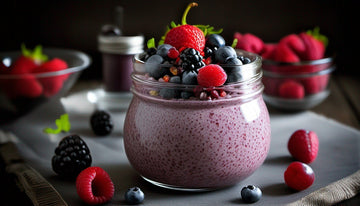
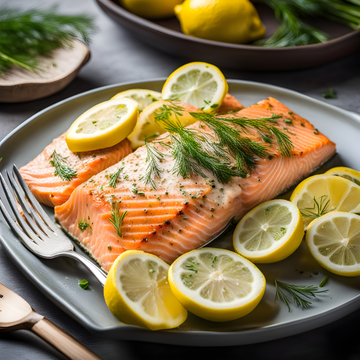
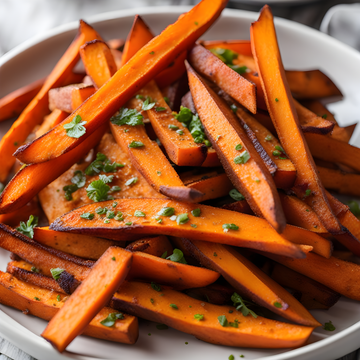
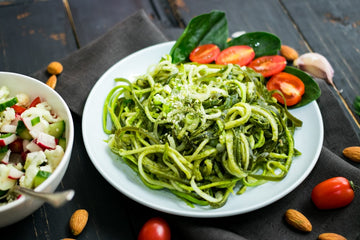
Nutrition still matters. Hair is made primarily of protein, so low protein intake can absolutely affect growth and recovery. Iron-rich foods, zinc-containing foods, healthy fats, and a steady intake of micronutrient-dense meals all support the hair cycle.
But food first does not always mean food only. Some women have increased needs, low absorption, or hormonal patterns that make nutritional repletion slower. Supplements can be a useful bridge when they are chosen for a reason.
When to seek medical guidance
Hair thinning deserves a closer look if it is sudden, patchy, worsening, or paired with other symptoms like missed periods, new facial hair growth, fatigue, or significant weight changes. Lab work may help uncover low ferritin, thyroid issues, vitamin D deficiency, insulin resistance, or androgen excess.
This is particularly important if you have been trying supplements for months with little change. Hair growth is slow, and improvement takes time, but no response at all may be a sign that the real issue has not been identified.
The best vitamins for hair thinning are the ones that address your actual needs, not the ones with the loudest label. For some women, that means iron or vitamin D. For others, it means stepping back and recognizing that the hair is reflecting a deeper hormonal story. If your body has been sending more than one signal, listening to the full pattern is often where real progress begins.