
Can PCOS cause weight gain? Yes, it can contribute to weight changes for many women, but it is not a personal failure, and it does not mean weight loss is impossible. PCOS is a complex hormonal and metabolic condition. For some women, the same habits that once supported a comfortable weight may no longer produce the same results, which can feel deeply frustrating.
Weight is only one part of the PCOS picture. Irregular cycles, acne, unwanted facial hair, hair thinning, difficulty conceiving, fatigue, and changes in mood can all occur alongside it. Looking at the underlying drivers, rather than blaming willpower, creates a more useful and compassionate path forward.
How PCOS Can Affect Weight
PCOS is often associated with insulin resistance. Insulin is the hormone that helps move glucose from your bloodstream into your cells for energy. When cells become less responsive to insulin, the body may produce more of it to keep blood sugar in range.
Higher insulin levels can encourage the ovaries to produce more androgens, sometimes called male hormones, although women naturally make and need androgens too. This pattern can interfere with ovulation and may make it easier to store fat, particularly around the abdomen. It can also increase hunger, cravings, and energy dips that make consistent eating patterns harder to maintain.
Not every woman with PCOS has insulin resistance, and not every woman with insulin resistance gains weight. PCOS occurs across the full range of body sizes. Still, metabolic changes are common enough that they deserve attention, especially when weight gain feels sudden, persistent, or concentrated around the midsection.
Hormones can influence appetite and energy
The relationship between PCOS and weight is not as simple as calories in and calories out. Nutrition matters, but so do hormones, sleep, stress, medications, activity level, genetics, and life stage.
Irregular ovulation can affect estrogen and progesterone patterns. Elevated androgens may affect body composition. Chronic stress can disrupt sleep and increase the likelihood of reaching for fast energy from refined carbohydrates. Poor sleep itself can raise appetite signals and reduce the energy available for movement or meal preparation the next day.
This is why an overly restrictive plan often backfires. Skipping meals, severely cutting carbohydrates, or exercising intensely while exhausted may increase stress without addressing the metabolic patterns underneath it.
Why Weight Loss May Feel Harder With PCOS
Women with PCOS are often told to simply lose weight, as if that were the first step before they deserve support. In reality, weight management may become easier when the condition itself is addressed thoughtfully.
Insulin resistance can make blood sugar swings more pronounced after highly processed, sugary, or low-fiber meals. Those swings may lead to intense hunger a few hours later. Some women also experience inflammation, disrupted sleep, anxiety around food, or a history of repeated dieting. Each factor can make a rigid weight-loss approach less sustainable.
There is also an emotional cost. Being dismissed in a medical appointment, criticized for body changes, or seeing little progress despite substantial effort can lead to shame. Shame is not a treatment plan. A better approach is to identify measurable health goals that matter to you: more regular cycles, steadier energy, improved lab values, less intense cravings, better sleep, or support for fertility.
Even a modest improvement in insulin sensitivity, nutrition consistency, strength, or sleep can support PCOS symptoms. The number on the scale may change, stay stable, or fluctuate. Your health progress is still real.
What Can Help With PCOS-Related Weight Changes
The most effective plan is individualized and sustainable. If you have irregular periods, rapid weight gain, signs of high blood sugar, or difficulty conceiving, a qualified healthcare professional can help evaluate the full picture. Thyroid conditions, medication effects, depression, sleep apnea, and other concerns can overlap with PCOS or contribute to weight changes.
Build meals for steadier blood sugar
Rather than trying to eliminate every carbohydrate, consider pairing carbohydrates with protein, fiber, and healthy fats. For example, fruit with Greek yogurt or eggs with vegetables and whole-grain toast may be more satisfying than a sweet breakfast alone.
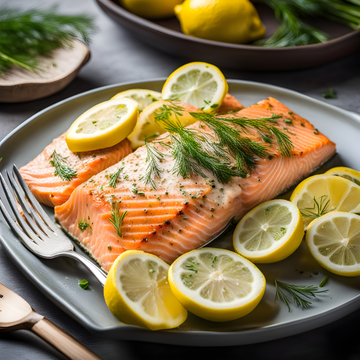
Aim for meals that keep you full for several hours and include foods you genuinely enjoy. Beans, lentils, vegetables, berries, whole grains, nuts, seeds, eggs, fish, poultry, tofu, and plain dairy can all fit into a PCOS-supportive eating pattern. The best pattern is one you can repeat without feeling deprived.
Focus on strength and realistic movement
Movement can improve insulin sensitivity, support mood, and help preserve lean muscle mass. It does not need to be punishing to be valuable. Walking after meals, resistance training two or three times weekly, cycling, swimming, dancing, or a short home workout can all count.
Strength training is especially worthwhile because muscle tissue uses glucose efficiently. But consistency matters more than choosing the perfect exercise. If fatigue, joint pain, or a busy schedule is getting in the way, begin with an amount that feels possible and build gradually.
Treat sleep and stress as metabolic concerns
Sleep is often treated as an afterthought, yet it can influence hunger, insulin sensitivity, and emotional resilience. A regular bedtime, morning light exposure, a quieter evening routine, and limiting caffeine later in the day may help. If you snore loudly, wake up gasping, or remain exhausted after adequate sleep, ask a clinician about screening for sleep apnea.
Stress reduction does not require a perfect meditation practice. It may mean protecting a lunch break, taking a walk without your phone, asking for help, or choosing a less demanding workout during a difficult week. Small practices can make a meaningful difference when repeated.
Consider evidence-informed support
Depending on your medical history and goals, your clinician may discuss options such as nutrition counseling, medications that support insulin sensitivity, or fertility treatment. Supplements may also have a role, but they should complement, not replace, medical evaluation and lifestyle care.
Myo-inositol has been studied for its potential role in insulin signaling and ovarian function in women with PCOS. A physician-formulated option such as Provation Life Inositol Plus may be worth discussing with your healthcare professional, particularly if you are trying to support cycle regularity and metabolic health. If you are pregnant, breastfeeding, trying to conceive, managing diabetes, or taking prescription medication, get individualized guidance before starting a new supplement.
When Weight Gain Needs Prompt Medical Attention
PCOS-related weight changes are usually gradual, but rapid unexplained weight gain should not automatically be attributed to PCOS. Seek medical care if weight changes come with severe swelling, shortness of breath, major fatigue, new headaches or vision changes, unusual bruising, or significant changes in thirst and urination.
It is also reasonable to request a broader evaluation if you have PCOS symptoms but have not had testing in some time. Your clinician may consider blood pressure, cholesterol, glucose or A1C, thyroid markers, and other labs based on your symptoms and history. PCOS care is not only about periods or appearance. It is about protecting long-term metabolic, reproductive, and emotional health.
A More Supportive Way Forward
Can PCOS cause weight gain? It can make weight changes more likely and weight loss more challenging, especially when insulin resistance and disrupted hormone signaling are involved. But PCOS does not erase your ability to feel stronger, improve your health markers, or regain confidence in your body.
Start with one supportive change you can sustain this week: a protein-forward breakfast, a 10-minute walk after dinner, a strength session, or an appointment to discuss your symptoms. You deserve care that sees the full picture, not a lecture about the scale.