
A follicular nutrition guide should begin with a reassuring truth: you cannot eat one food that suddenly creates healthy follicles or guarantees pregnancy. But consistent nutrition can support the biological environment in which follicles develop, hormones communicate, and ovulation occurs. For women managing irregular cycles, insulin-related concerns, PMOS, formerly known as PCOS, or fertility challenges, that foundation can be a meaningful part of regaining control.
Ovarian follicles are fluid-filled sacs that contain immature eggs. During each cycle, a group of follicles responds to hormonal signals, and usually one becomes the dominant follicle that releases an egg at ovulation. This process relies on more than reproductive hormones alone. Blood sugar regulation, inflammation, nutrient adequacy, sleep, stress, thyroid health, and overall energy intake can all influence the hormonal conditions surrounding follicular development.
Why follicular nutrition matters
Follicles take months to develop before the cycle in which they may ovulate. That means your nutrition pattern today is not only about this month's period or ovulation test. It is part of the longer-term metabolic and hormonal setting that supports ovarian function.
For women with insulin resistance, a common feature of PMOS/PCOS, high or frequently fluctuating insulin levels may contribute to elevated androgen activity and disrupted ovulation. This is why nutrition advice focused only on calorie restriction often misses the point. The goal is not to eat as little as possible. It is to create steadier energy, provide adequate micronutrients, and support a body that feels nourished rather than stressed.
There is no single "fertility diet" that fits every woman. Someone with irregular cycles and insulin resistance may benefit from more intentional carbohydrate pairing, while someone who is under-fueling, exercising intensely, or losing weight quickly may need more total energy and dietary fat. Your symptoms, labs, medications, medical history, and goals all matter.
The foundation of a follicular nutrition guide
Build meals that steady blood sugar
Carbohydrates are not the enemy of ovarian health. They are a source of energy, and overly restrictive eating can make meals difficult to sustain and may increase food anxiety. The more useful question is how carbohydrates are selected and what they are eaten with.
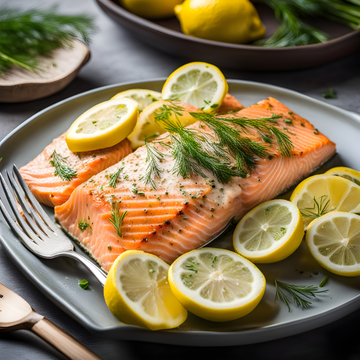
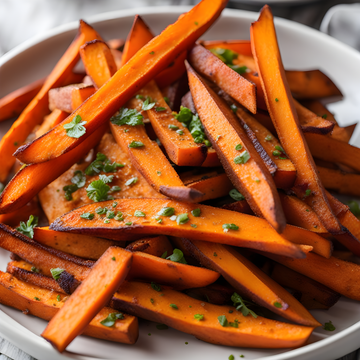
Choose high-fiber carbohydrate sources more often, including beans, lentils, oats, quinoa, brown rice, sweet potatoes, berries, apples, and non-starchy vegetables. Pair them with protein and healthy fat. For example, oatmeal becomes a more balanced breakfast with Greek yogurt, chia seeds, and berries. A piece of fruit can be paired with nuts or cheese. Rice can sit alongside salmon, vegetables, and avocado rather than becoming the entire meal.
This approach may reduce sharp blood sugar rises and crashes, support fullness, and make afternoon energy more predictable. It is especially practical for women who notice cravings, fatigue, irritability, or acne flares after highly refined meals or sugary drinks.
Prioritize protein consistently
Protein provides amino acids needed throughout the body and helps make meals more satisfying. A practical target is to include a meaningful protein source at breakfast, lunch, and dinner, rather than trying to make up for it at night.
Eggs, fish, poultry, tofu, tempeh, Greek yogurt, cottage cheese, beans, lentils, and edamame can all fit. The best choice depends on your preferences, budget, culture, and digestive comfort. If breakfast is typically coffee and a pastry, adding eggs, yogurt, or a protein-rich smoothie may be one of the simplest changes you can make for steadier mornings.
Include fats that support hormone health
Hormones are not improved by fearing all dietary fat. Nuts, seeds, olives, avocado, olive oil, fatty fish, and nut butters provide unsaturated fats and can help meals feel satisfying. Omega-3 fats from salmon, sardines, trout, walnuts, chia, and flax are particularly valuable in an overall anti-inflammatory eating pattern.
Fat intake should be balanced, not excessive. Adding a tablespoon of olive oil to vegetables or a handful of walnuts to a snack is very different from relying on heavily fried, ultra-processed foods as a primary fat source.
Aim for color and fiber, not perfection
Vegetables and fruits provide fiber and a broad range of antioxidants and phytonutrients. These compounds support general metabolic health and help create a diet that is naturally richer in folate, vitamin C, potassium, and other nutrients involved in normal cellular function.
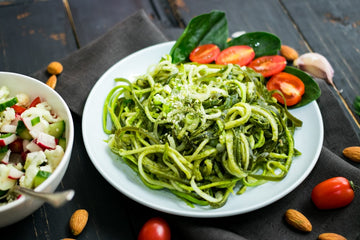
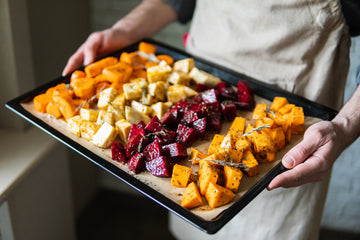
A simple standard is to include produce at most meals and vary the colors across the week. Spinach, broccoli, peppers, tomatoes, berries, citrus, carrots, beets, leafy greens, and cruciferous vegetables all count. Frozen vegetables and fruit are nutritious, affordable options when fresh produce is not practical.
Nutrients commonly relevant to ovarian health
Nutrition works best as a pattern, but a few nutrients deserve attention when cycles or fertility are a concern. Folate is essential before and during early pregnancy, which is why women trying to conceive should discuss prenatal supplementation with their clinician. Food sources include leafy greens, beans, citrus, avocado, and fortified grains.
Iron matters for women with heavy periods, fatigue, or low iron stores. Lean meats, lentils, beans, spinach, and fortified cereals can contribute, though iron deficiency should be confirmed and treated with professional guidance. Taking iron when it is not needed can cause side effects and is not appropriate for everyone.
Vitamin D deficiency is common and has been studied in relation to reproductive and metabolic health. Because food alone may not correct a deficiency, a blood test can help your clinician determine whether supplementation is appropriate. Zinc, selenium, magnesium, and iodine also play roles in normal endocrine function, but more is not always better. High-dose supplements can be harmful or interfere with medications.
For women with PMOS/PCOS-related symptoms, myo-inositol is often discussed because of its role in insulin signaling and ovarian function. A physician-formulated option such as Provation Life Inositol Plus may fit into a broader lifestyle plan for some women. Supplements should support, not replace, individualized medical care, regular meals, movement, and sleep.
What can quietly work against follicular health
The most common problem is rarely a single dessert, restaurant meal, or missed workout. It is a pattern of extremes: skipping meals all day and overeating at night, cycling between strict restriction and cravings, relying on sugary beverages for energy, or treating supplements as a substitute for food.
Frequent alcohol use, smoking, and poor sleep can also affect hormonal and metabolic health. Caffeine does not need to be eliminated for most women, but if you are trying to conceive, pregnant, anxious, or sleeping poorly, discuss an appropriate limit with your clinician. Hydration matters as well, though drinking excessive amounts of water will not improve ovulation. Regular fluid intake alongside meals and throughout the day is generally sufficient.
Stress deserves a compassionate mention. Stress does not mean you caused your hormonal condition, and you cannot meditate your way out of every cycle irregularity. Still, chronic stress can affect sleep, appetite, blood sugar habits, and the ability to follow through with care. A realistic plan includes support: a walk after dinner, a therapy appointment, earlier bedtime, shared meal preparation, or a consultation with a qualified health professional.
A realistic day of follicle-supportive eating
A supportive day might begin with eggs and whole-grain toast with berries, or Greek yogurt with oats, chia, and fruit. Lunch could be a grain-and-vegetable bowl with chicken, tofu, or beans, dressed with olive oil and lemon. At dinner, salmon or lentils with roasted vegetables and sweet potato offers protein, fiber, and healthy fat in one meal.
Snacks are optional, not mandatory. If you need one, consider an apple with peanut butter, vegetables with hummus, or yogurt with walnuts. The purpose is to prevent intense hunger and keep your day workable, not to follow a rigid meal schedule.
When nutrition needs medical support
Seek evaluation if you have very irregular or absent periods, signs of elevated androgens such as new facial hair growth or worsening acne, unexplained weight changes, persistent pelvic pain, or difficulty conceiving. These symptoms can have several causes, including PMOS/PCOS, thyroid conditions, elevated prolactin, hypothalamic amenorrhea, or other reproductive concerns. Nutrition can be powerful, but it cannot diagnose the reason ovulation has changed.
If you are using fertility medications, are pregnant, have diabetes, take medications that affect blood sugar, or have a history of an eating disorder, personalized guidance is particularly important. Your care team can help align food choices, lab testing, supplements, and treatment with your specific needs.
The most effective follicular nutrition plan is the one you can repeat with calm and confidence. Start with one nourishing adjustment, such as adding protein to breakfast or pairing carbohydrates with fiber and fat, then give your body time to respond. Small, steady choices are not insignificant. They are how supportive habits become a lasting part of your path to health.