
If your cravings feel louder before your period, your energy crashes after meals, or your cycle seems to have a mind of its own, food may be playing a bigger role than you realize. Hormonal balance for women food strategies are not about chasing perfection or following a trendy plan. They are about giving your body the raw materials it needs to make, regulate, and clear hormones more effectively.
For many women, especially those dealing with PCOS, irregular cycles, fertility concerns, acne, or stubborn weight changes, nutrition can either add stress to the system or help calm it. The right approach is not extreme. It is consistent, blood sugar-aware, and built around foods that support ovarian function, insulin balance, and overall metabolic health.
Why food matters for hormone health
Hormones do not operate in isolation. Estrogen, progesterone, testosterone, insulin, and cortisol all influence each other. When one system is under strain, others often follow. That is one reason hormonal symptoms can feel so broad - from mood shifts and fatigue to skin changes, hair thinning, and irregular periods.
Food affects hormones in several direct ways. It helps regulate blood sugar, which matters because insulin resistance is closely tied to PCOS and ovulatory dysfunction. It also supplies nutrients needed for hormone production and detoxification, including protein, healthy fats, fiber, magnesium, zinc, and B vitamins. Just as importantly, eating patterns influence stress hormones. Long gaps without food, highly processed meals, or a routine built around restriction can increase cortisol and make symptoms harder to manage.
This is where many women get discouraged. They are told to simply eat less, cut all carbs, or avoid entire food groups. That advice may sound decisive, but it often ignores how individual hormone patterns work. A more effective plan usually focuses on stability, not punishment.
Hormonal balance for women food starts with blood sugar stability
If there is one place to begin, start here. Blood sugar swings can affect insulin, appetite, energy, and androgen activity. In women with PCOS, this connection is especially important because elevated insulin can contribute to missed periods, weight gain, acne, and excess hair growth.
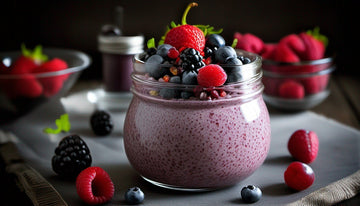
The goal is not to fear carbohydrates. It is to eat them in a way your body can handle well. Pairing carbohydrates with protein, fiber, and fat slows digestion and reduces sharp glucose spikes. For example, fruit with Greek yogurt is usually a better choice than fruit alone. Oatmeal with chia seeds and eggs is often more balanced than oatmeal sweetened with syrup.
Timing matters too. Some women feel better when they stop skipping breakfast and eat more regularly throughout the day. Others do well with three balanced meals and fewer snacks. It depends on hunger cues, insulin sensitivity, activity level, and whether cravings tend to escalate at night. There is no single meal schedule that works for everyone, but erratic eating rarely supports hormone stability.
What a balanced plate looks like
A supportive hormone-friendly meal usually includes a quality protein, a fiber-rich carbohydrate, healthy fat, and colorful produce. That combination helps with satiety, blood sugar control, and nutrient density.
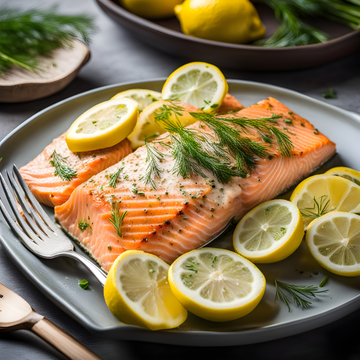
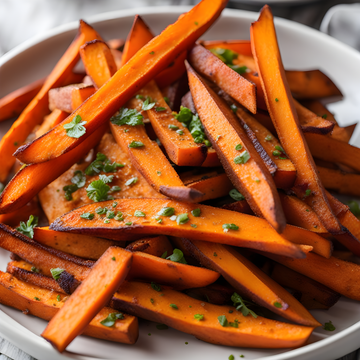
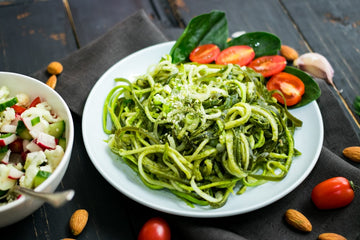
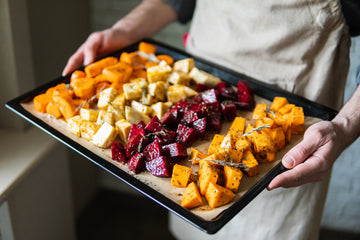
Think salmon with roasted sweet potatoes and broccoli. Or a grain bowl with chicken, quinoa, greens, olive oil, and pumpkin seeds. Or a simple lunch of turkey, avocado, brown rice, and sautéed vegetables. These meals are not flashy, but they do a great deal behind the scenes.
Best foods that support women’s hormones
Certain foods stand out because they address common hormone-related issues at the root.
Protein is one of the most important. Eggs, fish, chicken, turkey, Greek yogurt, cottage cheese, tofu, tempeh, and legumes can help steady blood sugar and support ovulation. Many women under-eat protein early in the day, which can leave them hungrier and more prone to cravings later.
Fiber also deserves more attention. Beans, lentils, berries, chia seeds, flaxseeds, oats, cruciferous vegetables, and leafy greens help support digestion and estrogen clearance. Fiber can also improve fullness and support a healthier insulin response, which matters for both cycle regularity and weight management.
Healthy fats are essential for hormone production and inflammation control. Avocados, olive oil, nuts, seeds, and fatty fish such as salmon and sardines can all be beneficial. Fat should not be treated as the enemy in a hormone-supportive plan. The bigger concern is the balance of fats and the overall quality of the diet.
Micronutrient-rich foods also matter. Pumpkin seeds and oysters provide zinc, which plays a role in reproductive health. Leafy greens and dark chocolate offer magnesium, which can support mood, sleep, and stress response. Berries, herbs, and colorful vegetables provide antioxidants that help counter the oxidative stress often seen in PCOS and chronic inflammation.
Foods that may be especially helpful for PCOS
When PCOS is part of the picture, food choices should support both hormones and metabolism. Higher-fiber carbohydrates, anti-inflammatory fats, and consistent protein intake tend to be more helpful than highly refined snack foods or sugar-heavy meals.
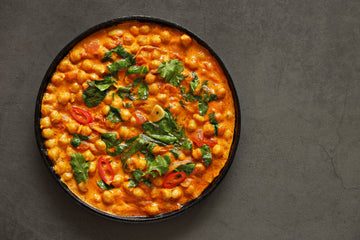
Women with PCOS often do better when meals include foods like lentils, beans, eggs, salmon, plain yogurt, nuts, seeds, leafy greens, cauliflower, berries, and whole grains in portions their body tolerates well. This does not mean every woman with PCOS needs the same exact plan. Some are more insulin resistant than others. Some are trying to conceive and need a stronger focus on ovulation support. Some are dealing more with inflammation or digestive issues. The pattern should be personalized, but the principles remain steady.
Foods and habits that can work against hormonal balance
This is where nuance matters. No single food causes a hormone disorder. But repeated habits can make symptoms harder to manage.
Highly processed foods that are low in fiber and protein can lead to faster blood sugar spikes and crashes. Sugary coffee drinks, pastries, chips, candy, and refined snack foods tend to be easy to overeat and do very little to support fullness or metabolic health. Alcohol can also disrupt sleep, blood sugar regulation, and liver processing of hormones in some women.
That said, stress around food can backfire too. If every meal feels loaded with rules, cortisol may stay elevated and consistency becomes harder to maintain. A sustainable plan leaves room for normal life. The better question is not whether a food is perfect. It is whether your usual pattern is helping your body feel more stable over time.
Hormonal balance for women food is also about eating patterns
What you eat matters, but how you eat matters too. Fast eating, frequent meal skipping, and relying on caffeine to push through exhaustion can all affect appetite hormones and stress chemistry.
Many women benefit from a steadier rhythm: eating within a few hours of waking, building balanced meals, and avoiding long stretches that end in intense hunger. Hydration is part of this picture as well. Dehydration can worsen fatigue, headaches, and cravings, which are often mistaken for a need for sugar.
Sleep and stress management belong in this conversation because food cannot compensate for chronic depletion. If cortisol stays high because you are sleeping five hours a night and running on adrenaline, even a thoughtful nutrition plan may produce slower progress. Hormones respond to the whole environment.
A realistic day of hormone-supportive eating
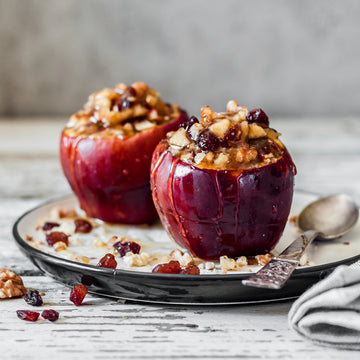
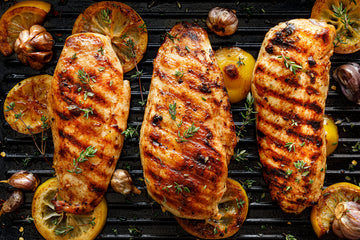
A practical example can make this feel more doable. Breakfast might be eggs with sautéed spinach and a side of berries, or Greek yogurt with chia seeds, walnuts, and cinnamon. Lunch could be grilled chicken over quinoa and roasted vegetables with olive oil. Dinner might be salmon, brown rice, and asparagus. A snack, if needed, could be apple slices with almond butter or cottage cheese with cucumber.
The exact foods matter less than the pattern. Each meal includes protein, fiber, and fat. There is color, texture, and enough nourishment to avoid the cycle of restriction followed by overeating. That is often where progress begins.
When food is not the whole answer
Nutrition is foundational, but some women need more targeted support. If periods are absent, cycles are consistently irregular, acne is worsening, or fertility is a concern, it may be time to look beyond food alone. Lab work, physician guidance, and condition-specific support can help identify what is driving symptoms.
This is especially true for women with PCOS, since insulin resistance, androgen excess, and ovulatory dysfunction often need a more structured plan. In those cases, food works best as part of a broader strategy that may include movement, sleep support, stress reduction, and physician-formulated supplementation. That kind of layered care is often more effective than trying to solve everything with willpower.
At Provation Life, we believe women do better when they are given clear guidance, credible support, and tools that fit real life. Food is one of the most powerful places to start because it gives your body daily opportunities to rebalance, recover, and respond.
You do not need a perfect diet to support your hormones. You need a pattern your body can trust, one meal at a time.