
When your period shows up without warning - or disappears for weeks or months - it can feel like your body is speaking a language you no longer understand. If you are searching for how to regulate menstrual cycles naturally, the first step is knowing that irregular cycles are common, but they are not random. In many cases, they reflect underlying patterns in hormone balance, insulin signaling, stress, inflammation, thyroid function, or ovulation.
A healthy menstrual cycle is not just about timing. It is a monthly sign of communication between your brain, ovaries, adrenal system, metabolism, and overall health. That is why natural cycle support works best when it goes beyond a single tea, vitamin, or online tip. Real progress usually comes from a structured approach that supports the systems affecting ovulation and hormone rhythm.
What counts as an irregular menstrual cycle?
While a textbook cycle is often described as 28 days, normal is broader than that. Many women have healthy cycles that range from about 21 to 35 days. A cycle may be considered irregular if it is consistently outside that range, if the length changes dramatically from month to month, or if periods are unusually light, heavy, painful, or absent.
For some women, irregularity starts after years of predictable periods. For others, it has been present since adolescence. That difference matters. A temporary shift after travel, intense exercise, illness, or stress may resolve with lifestyle support. But if irregular cycles are ongoing, especially with acne, weight changes, hair thinning, excess facial hair, or difficulty getting pregnant, it is worth looking deeper for issues such as PCOS, insulin resistance, thyroid imbalance, or hypothalamic dysfunction.
How to regulate menstrual cycles naturally by supporting ovulation
In many cases, cycle regularity improves when ovulation becomes more consistent. That is because ovulation helps create the hormonal rhythm that gives structure to the menstrual cycle. If ovulation is delayed or does not happen regularly, periods often become unpredictable.
This is one reason PCOS is such a common cause of irregular cycles. Women with PCOS often experience disrupted ovulation due to a combination of insulin resistance, elevated androgens, and ovarian signaling changes. In that setting, natural support should not focus only on the uterus or bleeding pattern. It should focus on the biology driving cycle disruption.
Nutrition plays a major role here. Restrictive eating, blood sugar swings, or constant grazing on refined carbohydrates can all affect insulin and reproductive hormones. A more stabilizing pattern usually works better - meals built around protein, fiber, healthy fats, and high-quality carbohydrates in portions your body can tolerate well. The goal is not perfection. The goal is steadier energy, steadier blood sugar, and less hormonal volatility.
For women with insulin-related irregularity, clinically studied ingredients such as myo-inositol may be especially helpful. Inositol has been widely used to support insulin sensitivity and ovarian function, particularly in women with PCOS. That does not make it a magic fix, and results can take time, but it is one of the more evidence-based natural tools for promoting menstrual regularity when insulin imbalance is part of the picture.
The daily habits that influence cycle regularity
Natural hormone support often looks less dramatic than people expect. It is usually built through repeated signals your body can trust.
Sleep is one of those signals. If you are sleeping five or six broken hours a night, your stress hormones, appetite hormones, insulin response, and reproductive hormones may all be affected. Good sleep hygiene sounds simple, but it can be powerful - a consistent bedtime, less late-night screen exposure, a cool dark room, and enough total sleep to allow the brain-ovary connection to work properly.
Stress management matters for similar reasons. Chronic stress does not cause every irregular cycle, but it can worsen an already fragile hormonal pattern. Some women notice delayed or missed periods during emotionally intense seasons, after overtraining, or while balancing work, caregiving, and poor sleep. Gentle nervous system support can help - walking, breathwork, strength training without overexertion, counseling, prayer, meditation, or even reducing a schedule that has become unsustainable. The best approach is the one you can actually maintain.
Exercise helps too, but this is where trade-offs matter. Too little movement can contribute to insulin resistance and inflammation. Too much intense exercise, especially when paired with under-eating, can suppress ovulation. Most women do well with a balanced plan that includes strength training, walking, mobility work, and moderate cardio rather than constant high-intensity sessions.
How to regulate menstrual cycles naturally with food and key nutrients
Food is not a cure-all, but it is one of the most consistent ways to support hormone function. If your meals are irregular, overly processed, or very low in protein, your cycle may be getting mixed metabolic signals.
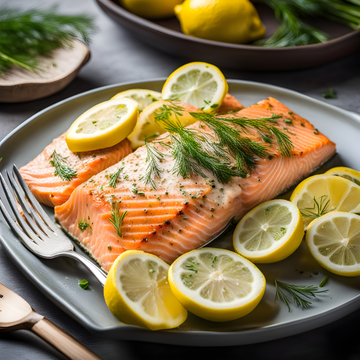
A useful starting point is to build meals that help regulate insulin and reduce inflammation. That often means prioritizing eggs, fish, Greek yogurt, legumes, poultry, nuts, seeds, vegetables, berries, olive oil, and high-fiber starches instead of relying heavily on sugary snacks or ultra-processed convenience foods. If you have PCOS, this kind of pattern can be especially supportive because blood sugar regulation and reproductive hormone balance are closely linked.
Specific nutrients may also matter. Magnesium can support stress response and sleep quality. Omega-3 fats may help with inflammation. Vitamin D plays a role in reproductive and metabolic health, and deficiency is common. Iron may be important if bleeding is heavy. But supplementation should be based on your symptoms, diet, and ideally lab work, not guesswork alone.
For women looking for more comprehensive support, physician-formulated combination supplements may simplify the process, especially when they are designed around ovarian function, insulin balance, and cycle health rather than generic wellness claims. The right formula should complement lifestyle changes, not replace them.
When irregular periods are a sign of something more
Not every irregular cycle should be managed with self-directed natural strategies alone. If your periods are absent for months, if bleeding is very heavy, if you have significant pelvic pain, or if you are trying to conceive without success, medical evaluation is important.
There are also times when irregular periods signal a problem outside the ovaries. Thyroid disorders can affect cycle length. Elevated prolactin can interfere with ovulation. Very low body weight, chronic stress, or excessive exercise can shut down reproductive signaling from the brain. Perimenopause can also change cycle timing, though the management approach differs from what works for PCOS or insulin resistance.
This is where a structured, medically informed approach matters. Natural support works best when you know what you are supporting. If you are treating a thyroid issue like PCOS, or stress-related cycle loss like insulin resistance, progress may stall and frustration usually grows.
A realistic timeline for natural cycle regulation
One of the hardest parts of hormonal healing is that it rarely happens overnight. If you are wondering how to regulate menstrual cycles naturally, it helps to expect gradual change rather than an instant reset. The menstrual cycle reflects processes that take weeks to unfold, especially ovulation.
For many women, noticeable improvements may take two to three months of consistent nutrition, better sleep, stress reduction, and targeted support. Some see earlier changes in symptoms like cravings, acne, energy, or cervical mucus before cycle timing becomes more predictable. That does not mean the plan is failing. It often means your body is beginning to respond.
Consistency matters more than intensity. A sustainable routine will usually outperform short bursts of extreme diet changes, supplement overload, or punishing workout schedules. This is particularly true for women with PCOS, where long-term insulin and hormone support often produces better outcomes than quick fixes.
Brands like Provation Life are built around this idea - that women need credible, natural, physician-informed support that addresses cycle irregularity as part of a larger hormonal picture, not as an isolated symptom.
If your period has been unpredictable, your body is not broken, and you are not imagining the impact it has on your daily life. With the right evaluation, a realistic plan, and steady support for ovulation, insulin balance, and whole-body health, cycle regularity often becomes much more achievable than it first appears.