
If you feel like your body is working against you - stubborn weight changes, intense cravings, fatigue after meals, irregular cycles, or symptoms tied to PCOS - learning how to support insulin balance can be one of the most meaningful places to start. Insulin affects far more than blood sugar. In women, it can influence ovarian function, androgen levels, menstrual regularity, fertility, skin changes, and how easily the body stores fat.
That is why insulin balance deserves a more thoughtful conversation than quick diet rules or one-size-fits-all wellness advice. For many women, especially those dealing with hormonal symptoms, insulin is not just a metabolic issue. It is part of a larger hormonal picture.
Why insulin balance matters for women’s health
Insulin is a hormone that helps move glucose from the bloodstream into cells, where it can be used for energy. When the body becomes less responsive to insulin, it often compensates by producing more of it. That pattern, commonly called insulin resistance, can quietly shape many symptoms over time.
In women with PCOS, higher insulin levels can stimulate the ovaries to produce more androgens. That can contribute to irregular or absent periods, acne, excess facial or body hair, hair thinning, and difficulty with ovulation. Even outside of a formal PCOS diagnosis, blood sugar swings and chronically elevated insulin can make energy feel unstable and appetite harder to regulate.
This is also why some women feel dismissed when they are told to simply eat less and exercise more. If insulin is out of balance, the body may be pushing back in ways that make weight management and cycle regulation feel harder than they should. Support has to be more comprehensive.
How to support insulin balance with everyday habits
The most effective approach is usually not extreme. It is consistent, sustainable, and built around daily signals that help the body feel safer and more regulated.
Start with meals that slow the blood sugar rise
A meal built around refined carbohydrates alone - like a bagel for breakfast or crackers as a snack - can lead to a sharper rise in blood sugar followed by a crash that leaves you hungry, shaky, or foggy. Pairing carbohydrates with protein, healthy fats, and fiber changes that response.
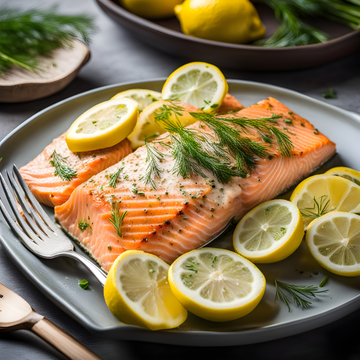
This does not mean you need to fear carbs. It means the context matters. Berries with Greek yogurt and chia seeds will affect your body differently than a sugary pastry eaten on its own. Rice alongside salmon, vegetables, and avocado will usually be more supportive than rice by itself.
For many women, one of the simplest shifts is building meals in this order: protein first, fiber-rich produce second, then carbohydrates in an amount that fits activity level and tolerance. The goal is steadier energy, not restriction.
Prioritize protein early in the day
Breakfast sets the tone for hunger, cravings, and energy later on. A breakfast high in sugar and low in protein can leave insulin working overtime by midmorning. A more balanced breakfast can improve satiety and help reduce the cycle of grazing or craving sweets all afternoon.
Eggs, unsweetened Greek yogurt, cottage cheese, protein smoothies with fiber, or a savory breakfast with leftovers can all work. There is no perfect breakfast for everyone, but most women with insulin-related symptoms do better when the first meal contains enough protein to feel grounding rather than stimulating.
Move after meals when possible
You do not need punishing workouts to support insulin function. One of the most underrated tools is light movement after eating. A 10 to 15 minute walk after meals can help muscles use glucose more efficiently and soften the post-meal spike.
Structured exercise still matters, especially resistance training, because muscle tissue improves insulin sensitivity over time. But if intense workouts leave you exhausted, overly hungry, or inflamed, that is worth paying attention to. More is not always better. The right amount is the amount your body can recover from consistently.
Protect sleep like it matters - because it does
Just a few nights of poor sleep can worsen insulin sensitivity, increase cravings, and make appetite hormones less predictable. This is one reason women often notice stronger sugar cravings and lower stress tolerance after restless nights.
Sleep support does not have to be elaborate. A stable bedtime, less screen exposure late at night, adequate magnesium from food or supplements when appropriate, and a cooler, darker room can all help. If you suspect sleep apnea, severe insomnia, or nighttime blood sugar issues, that deserves medical attention rather than guesswork.
Reduce the stress load on your system
Stress does not directly cause every hormone issue, but chronic stress can make insulin balance harder to maintain. Higher cortisol can contribute to blood sugar instability, increased appetite, sleep disruption, and more inflammation.
This is where women often get frustrating advice. Being told to just relax is not helpful. The real question is what lowers your stress response in a practical way. That may be walking, strength training, journaling, prayer, therapy, breathing exercises, saying no more often, or eating regular meals instead of skipping them. Stress support is not indulgent. It is metabolic support.
How to support insulin balance if you have PCOS
If you have PCOS, insulin balance often becomes a central part of symptom management. Not every woman with PCOS presents the same way, and not every case involves the same degree of insulin resistance, but the overlap is significant.
When insulin is elevated, it can amplify the hormonal patterns that make PCOS symptoms more difficult. Supporting insulin may help improve cycle regularity, ovulation, cravings, energy, and weight stability. It may also reduce some of the downstream effects tied to high androgen levels.
That said, improvement is rarely instant. Hormonal symptoms tend to change gradually. A woman may notice fewer energy crashes first, then less intense cravings, then more predictable cycles over the following months. This is why sustainable routines matter more than short bursts of perfection.
The role of targeted nutrients and supplements
Food and lifestyle are foundational, but for some women, targeted nutrients can offer meaningful additional support. This is especially true when insulin imbalance is connected to PCOS, fertility concerns, or stubborn symptoms that have not improved with general wellness changes alone.
Myo-inositol is one of the best-known ingredients in this category. It has been studied for its role in insulin signaling and ovarian function, particularly in women with PCOS. In the right context, it may support menstrual regularity, ovulation, and metabolic health.
Other nutrients may also play a role depending on the individual, including compounds that support inflammation balance, antioxidant status, and healthy glucose metabolism. The important point is that supplementation should be intentional. A random collection of trendy products often creates more confusion than benefit.
This is where physician-formulated options can make sense for women who want structured support instead of trying to piece together multiple separate supplements. Provation Life takes this more comprehensive approach by focusing on insulin balance and ovarian health within the broader picture of hormonal wellness.
When food and exercise are not the whole answer
Some women do many of the right things and still struggle. That does not mean you are failing, and it does not mean your symptoms are imagined. Insulin balance can be affected by genetics, sleep quality, chronic stress, thyroid health, medications, inflammation, and underlying hormone disorders.
It also matters how aggressively you are dieting. Undereating can backfire by increasing stress hormones, driving cravings, disrupting cycles, and making energy feel worse. In some cases, women trying very hard to be healthy are accidentally making the system more unstable.
If your symptoms are persistent, it may be time to look deeper. Helpful testing can include fasting glucose, fasting insulin, hemoglobin A1c, lipid markers, thyroid labs, and in some cases a fuller hormone evaluation. If cycles are irregular or you have signs of androgen excess, clinical guidance is especially important.
What progress usually looks like
Supporting insulin balance is often less dramatic than social media promises and more encouraging than women expect. Progress may look like feeling full longer between meals, fewer afternoon crashes, less urgency around sugar, more stable moods, or a cycle that starts becoming more predictable.
For others, progress means finally understanding why symptoms have been clustered together all along. The acne, the missed periods, the weight frustration, the fatigue after eating, the fertility concerns - these are not always separate problems. They can be connected through one hormonal pathway that deserves real support.
If you are working on how to support insulin balance, think in terms of patterns, not perfection. Build meals that steady you. Move in ways that improve sensitivity without draining you. Sleep more consistently. Lower the stress burden where you can. And if your symptoms suggest a deeper hormonal issue, get support that is clinically grounded and specific to women’s health.
You do not need to fix everything this week. You just need a plan that helps your body feel supported enough to respond.