
For many women, the question of a PCOS diet versus keto diet comes after years of frustrating symptoms: irregular cycles, stubborn weight changes, cravings, acne, unwanted hair growth, or difficulty conceiving. When insulin resistance is part of the picture, nutrition can make a meaningful difference. But the most restrictive plan is not automatically the most supportive one for your hormones, your fertility goals, or your real life.
A well-designed eating pattern for polycystic ovary syndrome (PCOS) should do more than produce quick changes on the scale. It should support steadier blood sugar, adequate nourishment, a healthier relationship with food, and habits you can maintain long enough to see your body respond.
PCOS Diet Versus Keto Diet: The Core Difference
A PCOS-focused diet is not one rigid prescription. It is a flexible, hormone-aware approach that emphasizes blood sugar stability, nutrient density, adequate protein and fiber, and meals that fit a woman’s symptoms, preferences, culture, and health goals. It can include carbohydrates - with attention to quality, portion, timing, and what they are paired with.
The ketogenic diet, or keto diet, is a very-low-carbohydrate, high-fat eating pattern designed to shift the body toward using fat-derived ketones for fuel. Most keto plans limit carbohydrate intake substantially, often to about 20 to 50 grams per day. That means many foods commonly considered nutritious, including beans, fruit, whole grains, and some dairy, may be sharply restricted.
Both approaches may improve blood sugar control for some women. The key difference is flexibility. A PCOS diet addresses insulin balance without requiring nutritional ketosis, while keto relies on severe carbohydrate restriction to achieve it.
Why Insulin Resistance Changes the Conversation
Insulin is a hormone that helps move glucose from the bloodstream into cells for energy. Many, though not all, women with PCOS have insulin resistance. When cells become less responsive to insulin, the body may produce more of it. Elevated insulin can contribute to increased androgen activity, making symptoms such as irregular ovulation, acne, and excess facial or body hair more difficult to manage.
This is why reducing highly refined carbohydrates and added sugars often helps. A breakfast of sweetened cereal or a pastry on its own may cause a different glucose and insulin response than eggs with vegetables, Greek yogurt with berries and nuts, or oatmeal paired with protein and seeds.
The goal is not to fear every carbohydrate. It is to create a steadier metabolic environment. For many women, that means choosing higher-fiber carbohydrates, eating regular meals, including protein and healthy fats, and avoiding the cycle of restriction followed by intense hunger or overeating.
What a PCOS-Supportive Diet Usually Includes
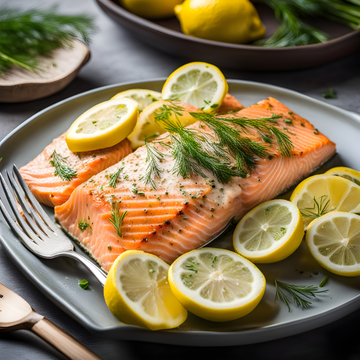
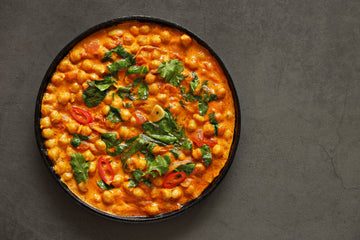
A balanced PCOS eating pattern is built around foods that provide consistent energy and broad nutritional support. Non-starchy vegetables, fruits, legumes, whole grains, nuts, seeds, lean proteins, eggs, fish, and unsweetened dairy or dairy alternatives can all have a place, depending on individual tolerance and medical needs.
Protein matters because it can support fullness and reduce the sharp blood sugar swings that may follow a carbohydrate-only meal. Fiber supports digestion, satiety, and a more gradual glucose response. Healthy fats from foods such as olive oil, avocado, nuts, seeds, and fatty fish also contribute to satisfying meals and overall cardiometabolic health.
This approach does not require perfection. It asks practical questions: Does this meal keep you full? Does it reduce the afternoon crash? Does it help you feel more stable around food? Is it realistic during a busy workweek, while traveling, or when eating with family?
A practical plate framework
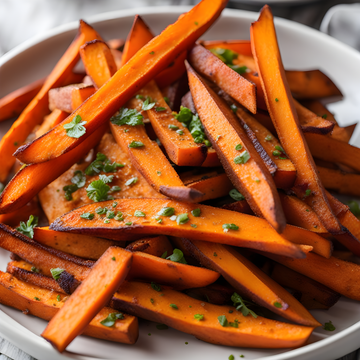
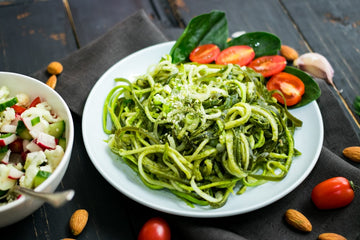
Rather than counting every gram of carbohydrate, many women do well with a simple structure: fill about half the plate with non-starchy vegetables, include a clear source of protein, add a satisfying fat, and choose a fiber-rich carbohydrate based on hunger, activity, and glucose needs. Examples include lentils, quinoa, beans, berries, sweet potato, or a modest serving of whole-grain bread.
That structure is not a substitute for individualized nutrition care. It is, however, often more sustainable than a plan that eliminates entire food groups without considering symptoms, lab results, medications, or fertility plans.
Where Keto May Help - and Where It Can Fall Short
Some research and clinical experience suggest that a low-carbohydrate or ketogenic approach can lead to short-term weight loss and improved markers of blood sugar control in certain women with PCOS. For a woman with significant insulin resistance who feels well eating this way and is monitored by a qualified clinician, keto may be one possible tool.
But short-term improvement is not the full measure of success. Keto can be difficult to sustain, socially isolating, and challenging for women with a history of chronic dieting, binge eating, or food anxiety. Early weight loss may also partly reflect water loss from depleted glycogen stores, which can make results appear more dramatic than they are over time.
A poorly planned keto diet can also be low in fiber and may limit foods that provide folate, potassium, magnesium, antioxidants, and other nutrients relevant to reproductive and metabolic health. Constipation, fatigue, headaches, and changes in exercise performance are common during the adjustment period. Some people also see unfavorable changes in cholesterol levels, particularly if the diet relies heavily on saturated fat.
For women trying to conceive, pregnant, breastfeeding, taking glucose-lowering medication, or managing kidney, liver, gallbladder, or pancreatic conditions, keto should not be started casually. Preconception nutrition deserves particular care. Restrictive eating that leaves you under-fueled or nutrient-deficient is not a supportive foundation for pregnancy planning.
Is a Lower-Carb PCOS Diet a Better Middle Ground?
For many women, the most workable answer is neither a standard high-sugar Western diet nor strict keto. It is a moderate lower-carbohydrate pattern centered on minimally processed foods.
This may mean replacing soda with sparkling water, swapping a large bowl of pasta for a smaller portion paired with chicken and vegetables, or choosing beans and roasted vegetables over fries. It can also mean learning that fruit is not the enemy, especially when paired with protein or fat. The right carbohydrate amount varies widely based on insulin resistance, physical activity, sleep, stress, medication use, and personal response.
If you use a glucose monitor or work with a clinician who tracks labs, those data can help personalize your approach. But your body’s daily signals matter, too. Steady energy, improved fullness, more consistent digestion, fewer intense cravings, and a sustainable routine are valuable outcomes.
Food Is Powerful, but It Is Not the Only Lever
PCOS is complex. Nutrition can support metabolic health and symptom management, but it is not a promise of instant cycle regularity or fertility. Sleep, chronic stress, movement, genetics, medications, thyroid function, and the severity of insulin resistance can all influence progress.
Regular movement is especially helpful because muscle activity improves insulin sensitivity. That does not require punishing workouts. Walking after meals, resistance training, yoga, cycling, or any activity you can return to consistently may support glucose regulation and overall well-being.
Some women also benefit from evidence-informed nutritional support. Myo-inositol is widely used to support insulin signaling and ovarian function in women with PCOS. A physician-formulated option such as Provation Life Inositol Plus may fit into a broader plan for women seeking targeted, natural support, but supplements work best alongside nourishing food, medical guidance, and realistic lifestyle changes.
How to Choose the Right Approach for You
The better question is not, “Which diet is more extreme?” It is, “Which approach helps me support insulin balance without making my life smaller?” If keto helps you feel well, meets your nutritional needs, and is supervised when appropriate, it may be worth discussing with your healthcare professional.
If strict keto makes you exhausted, preoccupied with food, constipated, unable to enjoy meals with others, or likely to rebound into old habits, it is not a failure to choose a more flexible path. A balanced PCOS diet can still be highly effective, particularly when it is consistent.
You deserve a plan that treats your symptoms seriously without asking you to live in constant restriction. Start with one meal you can improve this week, one habit that supports steadier energy, and guidance that respects both your lab results and your lived experience.