
When your cravings feel relentless, your energy crashes after meals, and the scale seems stuck no matter how hard you try, PCOS insulin resistance support stops being a vague wellness idea and becomes something deeply personal. For many women with PCOS, insulin resistance sits at the center of symptoms that feel disconnected on the surface - irregular cycles, stubborn weight gain, acne, fertility struggles, and unwanted hair growth - but often share the same metabolic root.
That matters because insulin is not just about blood sugar. It is a hormone, and when the body has to produce more and more of it to keep blood sugar stable, that can push the ovaries to make more androgens. In practical terms, higher insulin can contribute to missed periods, ovulation problems, increased appetite, and a pattern of symptoms that feels hard to predict and even harder to manage.
What PCOS insulin resistance support really means
Support is not a single supplement, one meal plan, or a perfect workout routine. It is a coordinated strategy that helps your body respond to insulin more effectively over time. The goal is not punishment or restriction. The goal is better signaling, steadier energy, and a healthier hormonal environment.
For some women, insulin resistance is obvious. They may notice weight gain around the midsection, fatigue after eating, stronger sugar cravings, or lab markers that point to elevated insulin or blood sugar concerns. For others, it is less visible. You can have PCOS-related insulin issues even if you are not in a larger body. That is one reason blanket advice often falls short.
Real support usually includes food choices that reduce blood sugar spikes, movement that improves insulin sensitivity, sleep and stress care, and targeted nutrients that have been studied in PCOS. In some cases, women also work with their physician on medication. There is no single path that fits everyone, and that is exactly why personalized guidance matters.
Why insulin resistance can make PCOS symptoms worse
PCOS is a hormone and metabolic condition, not simply a cycle problem. When insulin levels stay high, the ovaries may increase testosterone production. That can interfere with ovulation and affect the balance of estrogen and progesterone across the month.
This helps explain why insulin resistance can show up as much more than weight concerns. It may contribute to irregular periods, difficulty getting pregnant, breakouts along the jawline, scalp hair thinning, or excess facial and body hair. It can also make appetite regulation harder, which is frustrating when you are trying to make healthy choices and still not seeing the response you expect.
There is also a longer-term health picture to consider. Untreated insulin resistance may increase the risk of prediabetes, type 2 diabetes, and cardiovascular concerns over time. That is not meant to create fear. It is meant to show why early, consistent support can make a meaningful difference.
The foundation of PCOS insulin resistance support
The most effective approach is usually the least flashy. Stable habits tend to outperform intense short-term efforts because they work with your physiology instead of against it.
Food that supports steadier insulin levels
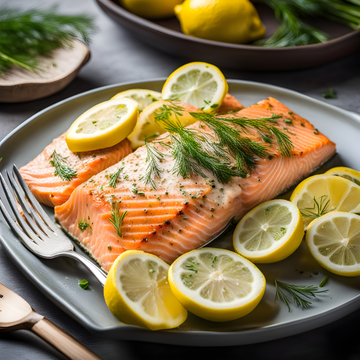
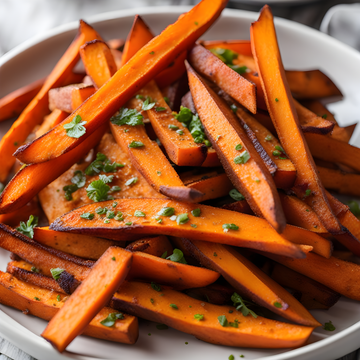
You do not need to fear carbohydrates, but the type of carbohydrate and what you eat with it can change how your body responds. Meals built around protein, fiber, healthy fats, and slow-digesting carbs can help reduce sharp blood sugar swings. That often translates to fewer crashes, more predictable hunger, and better energy during the day.
In real life, this may look like adding eggs or Greek yogurt at breakfast instead of starting with something sugary and low in protein. It may mean pairing fruit with nuts, choosing beans or quinoa over highly refined grains more often, or building dinner around protein and vegetables before adding starch.
Perfection is not required. Consistency matters more than eating in a highly restrictive way for two weeks and then burning out. Women with PCOS often do better with structure they can sustain.
Movement that improves insulin sensitivity
Exercise does not have to be extreme to be effective. Muscles help clear glucose from the bloodstream, so regular movement can directly support insulin function. Strength training is especially valuable because increasing muscle mass can improve metabolic health over time. Walking after meals can also be surprisingly helpful.
If your hormones feel out of balance, punishing workouts may backfire by increasing stress and making recovery harder. A balanced routine often works best - strength training a few times a week, daily walks, and cardio that feels challenging but not draining.
Sleep and stress are not side issues
Poor sleep and chronic stress can worsen insulin resistance. That is not wellness fluff. When cortisol stays elevated, blood sugar regulation can become less stable, cravings may intensify, and fatigue can make healthy decisions harder to maintain.
If you are sleeping five fragmented hours a night, your body is already working uphill. Supporting insulin resistance may include a regular sleep schedule, reducing late-night stimulation, and creating a realistic stress-management practice, whether that is therapy, prayer, breathwork, or simply protecting more margin in your schedule.
Nutritional support for insulin resistance in PCOS
Lifestyle changes matter, but many women also benefit from targeted nutritional support, especially when they want a more structured plan. This is where science-backed ingredients can play a meaningful role.
Myo-inositol is one of the most widely discussed nutrients in PCOS care because it has been studied for its ability to support insulin signaling and ovarian function. In women with PCOS, it may help improve insulin sensitivity, support menstrual regularity, and promote ovulation. For women trying to conceive or simply trying to regulate their cycle, that combination is especially relevant.
Some formulas combine myo-inositol with other supportive ingredients chosen for hormone balance, metabolic health, and symptom management. That matters because PCOS rarely shows up as one isolated problem. Many women are dealing with cycle disruption, cravings, skin concerns, and fertility questions all at once. A physician-formulated approach can simplify support and reduce the guesswork of building a routine from multiple separate products.
Still, it depends on the person. A quality formula can support the process, but it should not be presented as magic. If you have significant insulin resistance, elevated blood sugar, or fertility concerns, supplements work best as part of a broader care plan.
When to ask for medical guidance
Not every symptom should be self-managed indefinitely. If your cycles are very irregular, you are actively trying to conceive, you have signs of rising blood sugar, or you feel exhausted despite making healthy changes, it is worth getting a fuller evaluation.
Helpful labs may include fasting glucose, fasting insulin, A1C, lipid markers, and hormone testing based on your symptoms. Some women also need thyroid evaluation or additional reproductive workup. The goal is not to overmedicalize your experience. The goal is to understand what is actually driving your symptoms so treatment can be more precise.
This is also where support becomes emotionally important. Many women with PCOS have spent years being told to just lose weight or be more disciplined. That advice misses the biology. Insulin resistance can make weight management harder, not because you are failing, but because your metabolism is under strain.
A more realistic way to measure progress
Progress is not only the number on the scale. With the right PCOS insulin resistance support, early wins may show up as fewer cravings, better afternoon energy, improved sleep, more regular cycles, clearer skin, or signs of ovulation returning.
These changes matter because they suggest your body is becoming more responsive and more stable. Weight may shift too, but it often follows improved metabolic patterns rather than leading them. Focusing only on rapid weight loss can cause women to miss meaningful health improvements that are already happening.
At Provation Life, this is the philosophy behind condition-specific support: give women tools grounded in science, shaped by clinical insight, and practical enough to use in daily life. That kind of support respects both the complexity of PCOS and the reality that women need plans they can actually follow.
If you are dealing with insulin resistance and PCOS, the most helpful next step is usually not doing more. It is doing the right things, consistently, with a plan that supports your hormones instead of fighting them.