
If your breakouts seem to follow your cycle, flare along the jawline, and stick around no matter how carefully you cleanse, you may be dealing with a hormone-driven pattern. The best supplements for hormonal acne are not quick fixes, but the right support can help address the internal imbalances that often fuel recurring breakouts, especially in women with PCOS, insulin resistance, or irregular cycles.
Hormonal acne usually starts deeper than the skin. Androgens can increase oil production, insulin resistance can influence hormone signaling, and chronic inflammation can make pores more reactive. That is why many women feel frustrated when topical products help only a little, or only for a while. A more complete plan often includes nutrition, blood sugar support, stress management, and targeted supplementation.
What makes hormonal acne different
Hormonal acne is often cyclical, persistent, and concentrated in the lower face, chin, and jawline. It may appear as painful cysts, tender bumps, or clusters of breakouts that worsen before a period. For some women, it starts in adolescence and continues into adulthood. For others, it appears later alongside irregular cycles, weight changes, fertility concerns, or signs of androgen excess such as hair thinning or unwanted facial hair.
When acne is tied to hormones, the goal is not just to dry out the skin. It is to support the systems influencing sebum production, inflammation, and ovulation. That is where supplements may help, particularly when they are used consistently and chosen with your underlying pattern in mind.
Best supplements for hormonal acne and how they work
Inositol
Inositol is one of the most relevant supplements for women whose acne is linked to PCOS, insulin resistance, or irregular ovulation. Myo-inositol, in particular, has been studied for its role in insulin signaling and ovarian function. When insulin levels are better regulated, androgen activity may also improve, which can reduce one of the root drivers of hormonal breakouts.
This matters because acne is not always about skin care alone. In many women, especially those with PCOS, elevated insulin can stimulate the ovaries to produce more androgens. More androgens often mean more oil production and more clogged pores. Inositol may help support a healthier hormonal environment over time. It is not a spot treatment, and it does require patience, but it is often one of the most strategic options when acne comes with cycle irregularity or metabolic symptoms.
Zinc
Zinc is well known in acne support because it plays several roles at once. It supports immune function, helps regulate inflammation, and may influence oil gland activity. Some women with acne also have lower zinc status, though that is not true across the board.
Zinc can be especially helpful when breakouts are inflamed and slow to heal. It is not necessarily the main answer if your acne is strongly tied to ovulation issues or insulin resistance, but it can be a useful part of the picture. The trade-off is that higher doses can cause nausea on an empty stomach, and long-term overuse can affect copper balance. More is not better here.
Omega-3 fatty acids
Omega-3s are often overlooked in acne conversations, but they deserve more attention. They help support a healthier inflammatory response, and that matters because hormonal acne is rarely just oily skin. It is often inflamed, reactive skin.
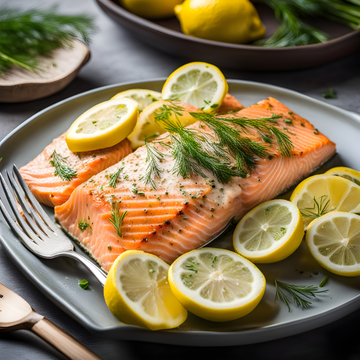
For women whose diets are low in fatty fish, omega-3 supplementation may offer added support. Some also notice benefits if they struggle with period discomfort, mood changes, or general inflammatory symptoms. Omega-3s are not specifically hormone-regulating in the same way inositol can be, but they can help create a more favorable internal environment for skin.
Vitamin D
Vitamin D is involved in immune regulation, inflammation, and endocrine health. Low vitamin D levels are common, and deficiency may be more likely in women with PCOS. If your levels are low, correcting that deficiency may support overall hormonal and skin health.
This is where testing matters. Vitamin D can be valuable, but it is most helpful when there is a true need. Taking it blindly in very high doses is not a smart long-term strategy. If you are already dealing with fatigue, low mood, irregular cycles, or fertility concerns, vitamin D status is worth discussing with a qualified provider.
Magnesium
Magnesium does not usually make the top of acne supplement lists, but it can be quietly useful. It supports stress regulation, blood sugar balance, sleep quality, and hundreds of enzymatic processes in the body. Since stress and blood sugar swings can aggravate hormonal breakouts, magnesium may help from a broader whole-body angle.
It is especially relevant for women who feel wired and tired, have PMS, poor sleep, or constipation alongside acne. Magnesium alone is unlikely to transform severe hormonal acne, but it can make a good support supplement when stress is part of the pattern.
N-acetyl cysteine
N-acetyl cysteine, often called NAC, is another option that may be worth exploring, particularly for women with PCOS-related symptoms. It has been studied for oxidative stress and metabolic health, and some research suggests it may support insulin sensitivity.
That matters because insulin resistance and androgen excess often travel together. NAC is not as universally used as zinc or omega-3s, but in the right context it may support the internal terrain contributing to breakouts. It is a better fit for women looking at acne as one symptom within a broader hormonal or metabolic picture.
Spearmint
Spearmint, often used as tea or in supplement form, has attracted attention for its potential anti-androgen effects. Some women notice improvement in acne or excess facial hair when androgen-related symptoms are present.
This can be appealing because it feels gentle and accessible. Still, it is not a complete plan on its own, and results vary. If your acne is clearly linked to higher androgen activity, spearmint may be a useful addition, but it generally works best as part of a more comprehensive strategy rather than a standalone answer.
How to choose the best supplements for hormonal acne
The best choice depends on what is driving your breakouts. If you have irregular periods, suspected PCOS, cravings, weight changes, or signs of insulin resistance, inositol and other metabolic supports may make the most sense. If your acne is more inflamed and persistent without obvious cycle disruption, zinc and omega-3s may be more relevant. If stress, poor sleep, and PMS intensify everything, magnesium could earn a place in your plan.
This is why random supplement stacking often disappoints. Many women end up taking five or six separate products without a clear reason, then feel discouraged when nothing changes. A physician-formulated approach that combines targeted ingredients can be more practical, especially when acne is tied to multiple symptoms at once.
One well-designed formula may be easier to stay consistent with than a scattered routine. For women managing acne alongside irregular cycles, ovarian dysfunction, or PCOS-related concerns, that kind of comprehensive support can be more helpful than chasing one ingredient at a time.
What supplements can and cannot do
Supplements can support hormone balance, inflammation, insulin regulation, and nutrient status. They can help create conditions where your skin is less likely to stay in a constant cycle of congestion and flare-ups. What they cannot do is override every trigger overnight.
If you are sleeping poorly, eating in a way that causes major blood sugar swings, under intense stress, or dealing with an untreated endocrine condition, supplements may help but still fall short on their own. Hormonal acne usually responds best when internal support is paired with a realistic lifestyle plan and skin care that is gentle, not aggressive.
Timing matters too. Most women need at least eight to twelve weeks to assess whether a supplement is helping. Skin turnover takes time, and hormone patterns do not shift in a few days. Fast promises are usually a red flag.
When it is time to look deeper
If your acne is severe, leaves scars, appears suddenly, or comes with missed periods, unwanted hair growth, thinning hair, or fertility struggles, it is worth looking beyond the surface. Those signs can point to a larger hormonal issue that deserves proper evaluation.
This is especially true if you suspect PCOS. Acne may be one of the most visible symptoms, but it is often not the only one. A more complete strategy can help you support not just clearer skin, but also cycle health, metabolic balance, and long-term reproductive wellness. That is where condition-specific guidance matters, and it is part of why brands like Provation Life focus on structured hormonal support rather than generic skin solutions.
You do not need to guess your way through hormonal acne forever. The right supplement plan should help you feel more informed, more supported, and more in control of what your body has been trying to tell you.