
That stubborn cluster of breakouts along the chin, jawline, and lower cheeks often tells a different story than typical teenage acne. If you are wondering what helps hormonal acne naturally, the answer usually starts below the surface - with hormones, insulin balance, inflammation, and daily habits that can quietly keep the cycle going.
Hormonal acne is frustrating because it rarely responds to a single quick fix. You can be using quality skincare and still wake up to deep, tender blemishes around your period, during times of stress, or while dealing with symptoms like irregular cycles, weight changes, or excess hair growth. For many women, especially those with PCOS tendencies or insulin resistance, acne is not just a skin issue. It is a signal.
What helps hormonal acne naturally starts with the root cause
Hormonal acne tends to flare when oil production is being driven by androgen activity, insulin swings, chronic inflammation, or a combination of all three. This is why the same product that helps surface-level congestion may do very little for cystic breakouts tied to your cycle.
One of the most common underlying patterns is blood sugar instability. When insulin levels stay elevated, the body may produce more androgens, and that can lead to increased oil production and clogged pores. This is one reason acne often shows up alongside irregular periods, cravings, fatigue, or difficulty managing weight. In women with PCOS, this pattern is especially common.
Stress also plays a major role. Higher cortisol can influence inflammation, blood sugar regulation, and hormone signaling. That does not mean stress is the sole cause, but it can make breakouts more frequent and slower to heal.
Natural support works best when it addresses these drivers together rather than treating the skin in isolation.
Support blood sugar to calm hormone-driven breakouts
If there is one place to focus first, it is blood sugar balance. This is not about extreme dieting. It is about giving your body steadier metabolic support so insulin spikes are less likely to contribute to acne.
Meals built around protein, fiber, and healthy fats are often more helpful than highly refined, carb-heavy meals eaten on their own. A breakfast with eggs and avocado will usually support more stable energy than a pastry and coffee. The same principle applies throughout the day. When blood sugar swings are smaller, many women notice fewer cravings, fewer energy crashes, and over time, fewer hormonal breakouts.
This is also where targeted nutritional support may fit in. Myo-inositol has been studied for its role in insulin signaling and ovarian function, particularly in women with PCOS. For women whose acne seems tied to cycle irregularity or insulin-related symptoms, physician-formulated support can be a meaningful part of a broader plan. Provation Life is one example of a brand that approaches this through hormone-focused, clinically informed supplementation rather than a one-size-fits-all acne solution.
That said, supplements are not instant. If they help, the shift is usually gradual over several weeks or months as the body responds.
Eat in a way that lowers inflammation
There is no universal acne diet, and anyone promising one is oversimplifying a complex condition. Still, some food patterns tend to be more supportive than others.
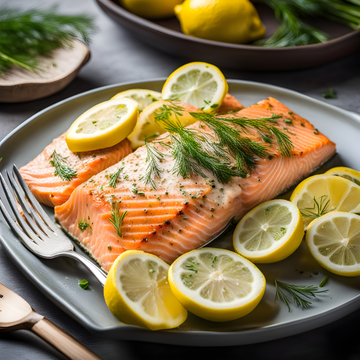
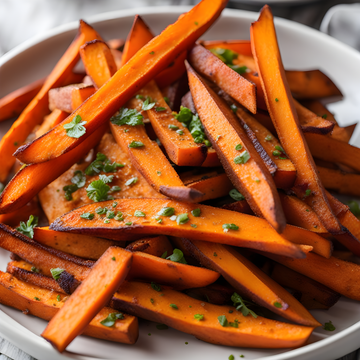
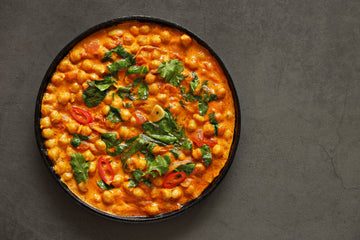
A whole-food approach with vegetables, berries, legumes, nuts, seeds, olive oil, quality proteins, and high-fiber carbohydrates can help lower overall inflammatory load. Omega-3 fats from foods like salmon, sardines, chia seeds, and walnuts may also support a calmer inflammatory response.
For some women, dairy or high-glycemic foods seem to worsen breakouts. This is not true for everyone, which is why it helps to observe patterns instead of cutting out major food groups blindly. If your skin consistently flares after certain foods, a simple symptom journal can be more useful than chasing online food fear.
Hydration matters too, although it will not cure hormonal acne on its own. Think of it as foundational support, not a treatment.
Choose skincare that supports, not strips
When acne feels hormonal, it is easy to overdo topical products. Many women swing between harsh cleansers, drying spot treatments, and aggressive exfoliation, only to end up with irritated skin that looks and feels worse.
A gentle routine usually works better. Cleanse without stripping. Use a light, non-comedogenic moisturizer even if your skin feels oily. Protect your skin barrier with daily sunscreen. Then consider adding one or two active ingredients consistently rather than five at once.
Salicylic acid can help keep pores clearer, while azelaic acid is often a strong option for women dealing with both acne and post-breakout redness. Niacinamide may help reduce oiliness and support the skin barrier. If your skin is very reactive, less is often more.
Natural does not always mean gentler, either. Essential oils, abrasive scrubs, and DIY treatments like undiluted apple cider vinegar can trigger irritation and prolong inflammation. A skin barrier that is inflamed from products can make hormonal acne harder to manage.
Sleep and stress are not side notes
Women often dismiss sleep and stress support because they sound less tangible than a serum or supplement. But from a hormone perspective, they matter.
Poor sleep can disrupt insulin sensitivity, hunger hormones, and stress response. That creates conditions where breakouts are more likely to persist. Aim for a consistent sleep window when possible, and pay attention to evening habits that affect sleep quality, including late caffeine, alcohol, and screen exposure.
Stress reduction does not need to be elaborate to help. Walking, strength training, breathwork, prayer, journaling, or even ten minutes of quiet can support the nervous system. The goal is not to eliminate stress. It is to improve how your body processes it.
This matters because inflammation and cortisol tend to rise together in many women with stubborn acne. If breakouts get worse during emotionally demanding seasons, that pattern is real.
What helps hormonal acne naturally if you suspect PCOS?
If your acne comes with irregular periods, missing periods, thinning hair, unwanted facial hair, or difficulty with weight and blood sugar, it is worth looking deeper. PCOS is one of the most common reasons women deal with ongoing hormonal acne, yet many are told to just change their face wash and move on.
Natural support for PCOS-related acne often includes a combination of blood sugar support, anti-inflammatory nutrition, movement, sleep improvement, and targeted supplementation. Strength training and regular walking can be especially helpful because they support insulin sensitivity without requiring extreme exercise.
This is where a physician-guided plan can make a real difference. You do not have to guess whether your acne is tied to ovarian dysfunction, elevated androgens, or insulin resistance. Testing and clinical context matter, especially when acne is only one piece of a bigger hormone picture.
Give natural strategies enough time to work
One of the hardest parts of treating hormonal acne naturally is the timeline. Skin renews slowly, and hormone-related changes are rarely immediate. It is common to need eight to twelve weeks of consistent effort before you can fairly judge whether something is helping.
That means resisting the urge to change everything every seven days. If you start a new supplement, overhaul your skincare, cut out several foods, and begin a new workout program all at once, it becomes nearly impossible to know what is helping or hurting.
A steadier approach works better. Pick a few meaningful changes, track your cycle and skin, and look for trends rather than day-to-day perfection.
When natural support may not be enough on its own
Natural strategies can be very effective, but they are not a reason to ignore severe symptoms. If your acne is painful, scarring, rapidly worsening, or paired with major cycle disruption, it is time to get medical guidance.
There is no failure in needing more support. Sometimes women benefit from combining lifestyle changes, targeted nutrients, and medical treatment while they work on the deeper drivers. A balanced, informed plan is often more helpful than an all-or-nothing mindset.
Hormonal acne can feel deeply personal because it shows up on your face, but it usually reflects something systemic. The good news is that your body is not working against you without reason. When you start listening to the patterns - your cycle, your blood sugar, your stress load, your symptoms as a whole - the path forward often becomes clearer, and much more hopeful.