
Trying to conceive can make your body feel like a puzzle that should be simple but rarely is. If you have irregular cycles, PCOS, insulin resistance, or symptoms like acne, hair thinning, or stubborn weight changes, the question of how to support fertility naturally becomes more than a wellness trend. It becomes personal, urgent, and sometimes emotionally exhausting.
The good news is that fertility support does not start only when you see a positive ovulation test. It starts earlier - with the daily signals your body gives you about hormone balance, metabolic health, inflammation, sleep, and stress. Natural fertility support is not about chasing perfect habits. It is about building the internal conditions that help ovulation, egg quality, and cycle regularity work more smoothly.
What natural fertility support really means
When people ask how to support fertility naturally, they are often looking for one missing fix. In reality, fertility is influenced by several systems working together. Ovarian function, insulin response, thyroid health, sleep quality, nutrient status, and stress hormones all affect whether the reproductive system gets the message that conditions are stable enough for conception.
That is why a natural approach should be structured, not random. Adding a supplement here or cutting out one food there may help, but the strongest results usually come from addressing the bigger picture. For many women, especially those with PCOS or irregular periods, fertility support means improving ovulation consistency and hormone signaling before pregnancy happens.
Start with ovulation and cycle awareness
If your cycle is unpredictable, your fertility window can feel impossible to identify. Yet cycle awareness is one of the most useful first steps because it helps you understand whether you are ovulating consistently and when your body may need more support.
A menstrual cycle is not just a period. It is a monthly hormonal rhythm. Regular cycles often suggest more predictable ovulation, while very long, very short, or skipped cycles can point to hormone disruption. That does not always mean infertility, but it does mean your body may need closer attention.
Tracking your cycle for a few months can reveal important patterns. Notice cycle length, cervical mucus, ovulation predictor results, mid-cycle symptoms, and signs of PMS. If you are not seeing clear ovulation patterns, or your cycles are frequently longer than 35 days, insulin imbalance or PCOS may be part of the picture.
Nutrition matters because hormones need raw materials
Fertility nutrition is not about eating perfectly. It is about giving the body what it needs to make hormones, regulate blood sugar, and support egg development. Extreme dieting, long periods of under-eating, or highly processed eating patterns can all work against reproductive health.
A practical starting point is balanced meals that combine protein, fiber, healthy fats, and slow-digesting carbohydrates. This matters even more if you have PCOS, because blood sugar swings can contribute to higher insulin levels, and elevated insulin can interfere with normal ovulation.
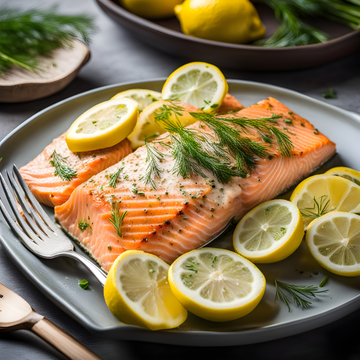
Focus on meals that feel steadying rather than restrictive. Eggs, fish, Greek yogurt, beans, berries, leafy greens, avocado, nuts, seeds, and high-fiber grains all provide nutrients tied to hormone function. Iron, folate, omega-3 fats, choline, vitamin D, magnesium, and antioxidants are especially relevant when supporting fertility naturally.
It also helps to be realistic. You do not need to eliminate every source of sugar or eat according to a rigid fertility diet. For some women, removing all flexibility creates more stress and less consistency. A supportive plan is one you can sustain.
Blood sugar balance is often an overlooked fertility issue
For women with PCOS, prediabetes, insulin resistance, or unexplained irregular cycles, blood sugar regulation may be one of the most important parts of a natural fertility plan. Insulin does more than affect metabolism. It also interacts with ovarian hormone production.
When insulin levels stay high, the ovaries can produce more androgens, which may disrupt follicle development and ovulation. This is one reason some women experience irregular periods, acne, excess facial hair, or trouble conceiving even when they are otherwise healthy.
Supporting insulin balance naturally often includes regular meals, enough protein, strength training, quality sleep, and targeted nutrients. Myo-inositol has been studied for its role in insulin signaling and ovarian function, particularly in women with PCOS. In a physician-formulated approach, this kind of support can be useful because it addresses a root driver rather than only the symptom of irregular cycles.
How to support fertility naturally with sleep and stress care
Sleep is often treated like a side issue, but reproductive hormones are highly sensitive to poor recovery. If you are sleeping five or six broken hours a night, your body may struggle with cortisol regulation, insulin balance, and normal hormonal rhythms.
Aim for consistent sleep timing more than perfection. Going to bed and waking up at roughly the same time can help regulate the body systems that influence ovulation and cycle health. If sleep has been poor for a long time, start with simple changes: dim lights earlier, reduce late-night screen exposure, and avoid heavy meals or alcohol close to bedtime.
Stress is more complicated. Hearing that stress affects fertility can make women feel blamed for something they are already carrying heavily. The truth is that stress alone is rarely the only cause of fertility challenges. Still, chronic stress can affect sleep, appetite, inflammation, blood sugar, and cycle regularity.
That is why stress support should be gentle and realistic. A daily walk, restorative exercise, prayer, journaling, therapy, breathwork, or simply reducing overscheduling may all help. The goal is not to stay calm all the time. The goal is to give your body more signals of safety and recovery.
Exercise should support hormones, not drain them
Movement is one of the best natural tools for fertility support, but the right amount depends on your body. Moderate, consistent exercise tends to improve insulin sensitivity, circulation, mood, and metabolic health. That can be especially helpful for women with PCOS.
At the same time, overtraining can backfire in some cases. If you are doing intense workouts every day, under-fueling, and noticing missed periods or worsening fatigue, your routine may be adding stress instead of resilience. Fertility-focused exercise should leave you stronger, not depleted.
Walking, strength training, Pilates, cycling, and low-impact cardio are often sustainable choices. The best plan is one that improves energy and metabolic health while still allowing for recovery.
Supplements can help, but only if they match the problem
Not every supplement marketed for fertility is useful, and more is not always better. A thoughtful supplement strategy should match the underlying issue. If your challenge is irregular ovulation tied to PCOS and insulin resistance, that requires a different approach than low nutrient intake alone.
This is where clinically grounded support matters. Nutrients and compounds such as myo-inositol, folate, vitamin D, omega-3s, and antioxidants may be helpful in the right context. For some women, combining these supports within a physician-formulated plan is simpler and more effective than trying to piece together a dozen products on their own.
Provation Life centers this kind of structured support for women dealing with hormone imbalance, irregular cycles, and PCOS-related fertility concerns. That matters because natural support works best when it is not generic.
When “natural” should include medical evaluation
Natural fertility support and medical care are not opposites. They work well together. If you have been trying to conceive for 12 months, or for 6 months if you are over 35, a fertility evaluation is appropriate. The same is true if your periods are very irregular, you suspect you are not ovulating, or you have known PCOS, thyroid issues, endometriosis, or a history of miscarriage.
Getting answers early can save time and emotional strain. Lab work, hormone testing, ultrasound, and semen analysis may reveal issues that lifestyle changes alone will not solve. Natural support still plays an important role, but it works best when built on accurate information.
A steadier path forward
If you have been wondering how to support fertility naturally, start by thinking less about quick fixes and more about conditions. Your body needs regular ovulation, stable blood sugar, enough nourishment, consistent sleep, and the right hormonal support to do what it was designed to do. For women with PCOS or irregular cycles, that foundation can make a meaningful difference.
You do not need to do everything at once, and you do not need to earn your way to fertility through perfection. Start with one or two changes that address the biggest gaps, stay consistent, and let your plan be guided by both science and self-compassion. That is often where real progress begins.