
When your cycle feels unpredictable, ovulation seems inconsistent, or symptoms like acne, weight changes, and hair thinning keep showing up, it is natural to wonder how to support ovarian function naturally. For many women, this question is not just about fertility. It is about feeling more in control of their hormones, their energy, and their health.
The ovaries respond to a complex network of signals involving insulin, stress hormones, inflammation, thyroid function, and brain-to-ovary communication. That is why ovarian health rarely improves from one quick fix. In real life, the most effective natural support usually comes from a coordinated plan that helps the body ovulate more consistently, regulate blood sugar, and reduce the internal stressors that can disrupt hormonal balance.
What ovarian function really means
Ovarian function is about more than having ovaries present and anatomically normal. It refers to how well the ovaries mature follicles, release eggs, and produce hormones such as estrogen and progesterone in a balanced rhythm. When ovarian function is off, the signs can include irregular periods, skipped ovulation, difficulty conceiving, PMS changes, and symptoms often associated with androgen imbalance, including acne, excess facial hair, or hair thinning.
In women with PCOS, one of the most common drivers is insulin resistance. Higher insulin levels can stimulate the ovaries to produce more androgens, which may interfere with normal follicle development and ovulation. In other women, stress, under-eating, overtraining, poor sleep, or thyroid issues may play a larger role. This is where nuance matters. Natural support works best when it matches the pattern behind your symptoms.
How to support ovarian function naturally through lifestyle
If you want to improve ovarian function, start with the everyday signals your body reads as either safe and stable or stressed and strained. Ovaries are sensitive to these signals.
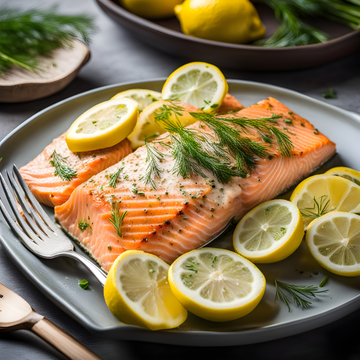
Food matters, but not in a fad-diet way. The goal is stable blood sugar, steady energy, and enough nutrients to support hormone production. Meals built around protein, fiber, healthy fats, and slow-digesting carbohydrates are often more helpful than extreme restriction. If you are skipping meals, relying on sugar and caffeine to get through the day, or cycling between dieting and overeating, your hormones may feel that instability.
For many women, especially those with PCOS or insulin-related symptoms, improving insulin balance can make a meaningful difference in ovulation and cycle regularity. That often means prioritizing protein at breakfast, reducing ultra-processed foods, and eating in a way that avoids large glucose spikes. It does not require perfection. It does require consistency.
Exercise helps too, but the type and intensity matter. Moderate, repeatable movement tends to support ovarian health better than all-or-nothing routines. Strength training, walking, cycling, Pilates, and lower-impact cardio can improve insulin sensitivity and reduce inflammation without putting the body under excessive stress. If your workouts leave you exhausted, hungrier than usual, and more irregular, that is a sign to reassess.
Sleep is often underestimated. The brain and ovaries communicate through hormonal rhythms that depend on adequate rest. Chronic sleep disruption can affect cortisol, insulin, appetite signals, and reproductive hormones. If you are trying to support ovarian function naturally, protecting seven to nine hours of sleep is not a luxury. It is part of treatment.
Stress management also belongs in this conversation, even though it can sound vague. Ovarian health is influenced by whether the body perceives enough safety to invest in reproduction. That does not mean stress alone causes every cycle problem. It means stress can add friction to an already vulnerable system. Daily practices such as breathing work, light yoga, prayer, journaling, counseling, and simply reducing overload can help lower that friction over time.
Nutrients that may help support ovarian function naturally
Targeted nutritional support can be useful, especially when symptoms point to insulin imbalance, irregular ovulation, or PCOS-related hormone disruption. This is where quality and formulation matter more than supplement stacking at random.
Myo-inositol is one of the best-known nutrients in this space. It has been studied for its role in insulin signaling and ovarian response, particularly in women with PCOS. In clinical settings, myo-inositol has been associated with improved ovulation, better menstrual regularity, and support for metabolic health. For women dealing with irregular cycles or fertility concerns linked to insulin resistance, it is often one of the most evidence-based natural options.
Other nutrients may also play supportive roles depending on the individual. Vitamin D is important for hormone signaling and is commonly low in women with PCOS. Magnesium may help support blood sugar balance, stress resilience, and sleep quality. Antioxidant nutrients can help address oxidative stress, which may influence egg quality and ovarian environment. Omega-3 fats may support inflammation balance and overall hormonal health.
That said, more is not always better. Taking a long list of separate products can become expensive, confusing, and inconsistent. A physician-formulated product that combines well-chosen ingredients may be easier to follow and better suited to long-term use. Provation Life takes this more structured approach, which can be helpful for women who want clinically grounded support without building a supplement routine from scratch.
When food and supplements are not enough on their own
Natural support can be powerful, but it should not become a reason to ignore root causes that need medical attention. If your periods are very far apart, completely absent, unusually heavy, or paired with severe pain, a proper evaluation matters. The same is true if you have signs of thyroid dysfunction, elevated prolactin, premature ovarian insufficiency, or suspected endometriosis.
Even within PCOS, there is no single presentation. Some women are lean but insulin resistant. Others have more obvious metabolic symptoms. Some struggle most with acne and androgen excess, while others are focused on fertility and ovulation timing. A thoughtful plan accounts for those differences.
This is also why timelines matter. Ovarian function does not usually change overnight. Follicle development follows a biological process that unfolds over weeks to months. Many women need at least three months of consistent support before they can fairly judge whether a strategy is helping. That can feel slow, especially when you are eager for answers, but it is realistic and often necessary.
A realistic plan for better ovarian health
If you feel overwhelmed, start smaller than you think you need to. Build meals around protein and fiber. Eat regularly enough to support blood sugar stability. Move your body most days without pushing into burnout. Treat sleep as part of hormone care, not something optional. If insulin resistance or PCOS is part of the picture, consider evidence-based nutrients such as myo-inositol, ideally within a formula designed for women’s hormonal health.
Keep track of what changes. Your cycle length, signs of ovulation, cravings, acne, energy, and mood can all offer useful clues. Improvement is not always linear. Some women notice better energy first, then more predictable periods, then signs of ovulation becoming clearer. Others need a deeper workup before progress begins.
The most important thing is to move away from the idea that your ovaries are failing you in isolation. They are responding to the environment your body is working with every day. When you support insulin balance, reduce chronic stress load, nourish consistently, and use targeted nutrients wisely, you create better conditions for ovarian function to improve.
If you have been dealing with irregular cycles, PCOS symptoms, or fertility frustration, natural support is not about doing everything perfectly. It is about giving your body repeated, science-based signals that it can regulate more effectively. Small changes, done consistently, can become a very meaningful form of care.