
If you have ever searched for a meal plan for PCOS example, you were probably not looking for another vague list of “healthy foods.” You wanted to know what to eat on a real Tuesday, what to keep on hand when cravings hit, and how to build meals that support hormones without turning food into a full-time job.
That matters because PCOS is not just about one symptom. It often involves insulin resistance, irregular cycles, inflammation, stubborn weight changes, acne, and fertility concerns that can feel connected in frustrating ways. Food will not fix everything on its own, but the right pattern can help create a steadier foundation for blood sugar, appetite, energy, and hormone balance.
What a PCOS meal plan should actually do
A good PCOS eating pattern is not about eating as little as possible. It is about helping your body respond better to food. For many women with PCOS, that means meals built around protein, fiber, healthy fats, and slower-digesting carbohydrates rather than frequent spikes from sugary drinks, refined grains, or unbalanced snacks.
When blood sugar rises quickly and crashes just as fast, the result can be more hunger, more cravings, more fatigue, and more stress on insulin signaling. Over time, that can make symptom management harder. A better meal structure aims to keep you fuller longer and reduce the roller coaster.
There is no single perfect PCOS diet. Some women do well with a Mediterranean-style pattern. Others prefer lower-carb meals, especially if insulin resistance is a major issue. The common thread is balance, consistency, and choosing foods that work with your metabolism instead of against it.
Meal plan for PCOS example: a realistic one-day template
Here is a practical meal plan for PCOS example that reflects what many women can sustain in everyday life. It is not extreme, and that is the point.
Breakfast
Start with Greek yogurt topped with chia seeds, walnuts, cinnamon, and a small handful of berries. Add one boiled egg or a side of turkey sausage if you need more staying power.
This works because it combines protein, fat, and fiber while keeping added sugar low. If you usually eat toast or cereal and feel hungry an hour later, this type of breakfast often feels very different.
Mid-morning option
If you are genuinely hungry, have apple slices with almond butter or a small handful of roasted pumpkin seeds. If you are not hungry, you do not need to force a snack just because the clock says so.
Lunch
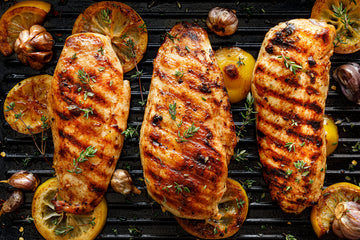
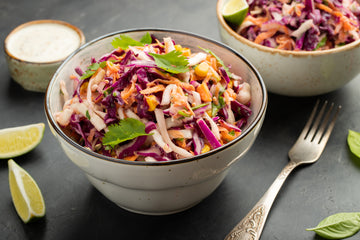
Build a bowl with grilled chicken or salmon, quinoa or lentils, mixed greens, cucumbers, bell peppers, and avocado with an olive oil-based dressing.
This kind of meal gives you protein for satiety, fiber for blood sugar support, and enough healthy fat to make it satisfying. If you are trying to support fertility or cycle regularity, consistency with meals like this often matters more than chasing perfect macros.
Afternoon option
Try cottage cheese with cucumber, or hummus with carrots and sliced peppers. The goal is to avoid getting so hungry that dinner turns into an all-or-nothing moment.
Dinner
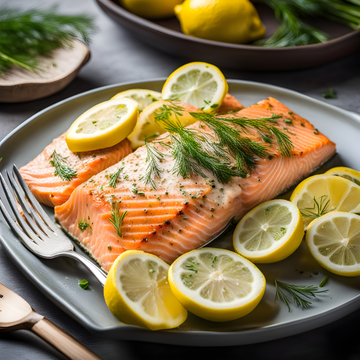
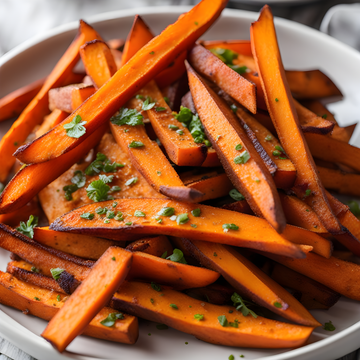
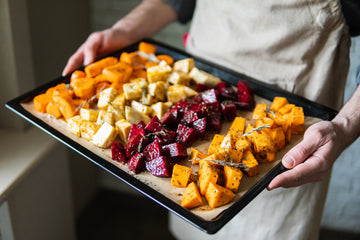
Choose baked salmon, roasted broccoli, and a small serving of sweet potato. If fish is not your preference, chicken thighs, turkey meatballs, tofu, or lean beef can work too.
Many women with PCOS do well when dinner includes non-starchy vegetables, a quality protein source, and a moderate portion of carbohydrate instead of a large plate of pasta or takeout-heavy meals several nights a week.
Evening if needed
If you need something later, keep it simple: a few nuts, half a pear with ricotta, or herbal tea with a protein-rich snack. Late-night eating is not automatically harmful, but grazing on sweets after an underfed day can make symptoms harder to manage.
A 3-day meal plan for PCOS example
If one sample day is helpful but not enough, here is a broader rhythm you can repeat and customize.
Day 1
Breakfast could be eggs scrambled with spinach and feta, plus one slice of whole-grain toast. Lunch might be a turkey lettuce wrap with brown rice on the side and a big salad. Dinner could be shrimp stir-fry with broccoli, mushrooms, and cauliflower rice or a half serving of jasmine rice. Snacks can include plain Greek yogurt or almonds.
Day 2
Breakfast might be a protein smoothie made with unsweetened almond milk, protein powder, chia seeds, frozen berries, and a spoonful of nut butter. Lunch could be a lentil soup with a side salad and grilled chicken. Dinner might be a burger bowl with lean ground turkey, roasted Brussels sprouts, tomatoes, pickles, and avocado. Snacks can include celery with peanut butter or hard-boiled eggs.
Day 3
Breakfast could be overnight oats made with chia seeds, plain yogurt, cinnamon, and a small portion of berries. Lunch might be salmon salad with chickpeas, cucumbers, red onion, and olive oil. Dinner could be grilled chicken, sautéed green beans, and roasted sweet potato wedges. Snacks can include cottage cheese, edamame, or a small handful of mixed nuts.
This approach is intentionally repetitive in structure, not flavor. That helps reduce decision fatigue while keeping your meals metabolically supportive.
Why this kind of plan supports PCOS symptoms
The most useful meal plans for PCOS usually do three things well. First, they emphasize protein at every meal. Protein helps with fullness, supports muscle mass, and can soften the blood sugar impact of carbohydrates.
Second, they include fiber-rich foods such as vegetables, seeds, beans, berries, and whole-food carbohydrates. Fiber slows digestion and supports gut health, which may matter more than many women realize when inflammation and hormone metabolism are part of the picture.
Third, they avoid making carbs the enemy while still being selective about the kind and amount. For some women, white bread, pastries, sweet drinks, and oversized pasta portions worsen cravings and energy crashes. For others, the bigger problem is not carbohydrates themselves but eating them without enough protein or fat.
That is where personalization matters. If you are very active, trying to conceive, or recovering from restrictive dieting, going too low-carb may backfire. If insulin resistance is significant, a more moderate-carb approach may feel better. The right plan is the one that improves symptoms and feels sustainable.
Smart food swaps that make PCOS meal planning easier
You do not need a pantry overhaul overnight. A few strategic changes can have a real impact.
Swap sweetened yogurt for plain Greek yogurt with berries. Choose oatmeal with seeds and nut butter instead of pastries. Replace sugary coffee drinks with lower-sugar versions or pair them with a protein-rich breakfast instead of drinking them alone. Use beans, lentils, quinoa, or sweet potato in place of refined sides more often. Keep convenience foods that still support your goals, such as frozen vegetables, pre-cooked proteins, hard-boiled eggs, and individual cottage cheese cups.
This is often where women regain a sense of control. Better choices become easier when your environment supports them.
Where supplements can fit into the bigger picture
Nutrition is foundational, but many women with PCOS also benefit from targeted support beyond food alone, especially when insulin balance, ovarian function, and cycle regularity are ongoing concerns. This is one reason physician-formulated inositol-based support has become a common part of a broader wellness plan.
For women looking for structured, natural support, Provation Life approaches PCOS care through both education and science-backed supplementation. That does not replace meals, movement, sleep, or medical care. It complements them.
Common mistakes with a PCOS meal plan
One mistake is under-eating early in the day, then feeling out of control at night. Another is relying on “healthy” carbs without enough protein, which can still lead to blood sugar swings. A third is trying to be perfect all week, then calling it failure after one restaurant meal or dessert.
PCOS responds better to consistency than punishment. One balanced meal will not cure symptoms, and one less-balanced meal will not erase progress. What matters is the pattern your body experiences most often.
How to make your own meal plan for PCOS example work
Start by choosing two breakfasts, three lunches, and three dinners you can repeat this week. Make sure each meal contains protein, fiber, and some healthy fat. Shop for easy staples, not aspirational ingredients you never use. If mornings are rushed, build around grab-and-go options. If dinner is where things fall apart, prep proteins and vegetables ahead of time.
Most of all, pay attention to feedback from your body. Better energy, fewer cravings, improved fullness, steadier moods, and more predictable hunger are meaningful signs that your plan is working, even before the scale or your cycle fully catches up.
You do not need a perfect menu to support PCOS. You need a steady, realistic rhythm that helps your body feel safer, more nourished, and easier to live in.