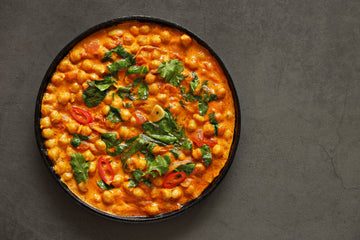

A dinner that leaves you hungry again an hour later can make managing PCOS feel harder than it needs to be. The most useful PCOS friendly dinner recipes are not restrictive, complicated, or built around perfection. They are satisfying meals that pair protein, fiber-rich carbohydrates, colorful vegetables, and healthy fats to support steadier energy and make evening eating feel more predictable.
PCOS is often associated with insulin resistance, though not every woman with PCOS has it. That distinction matters. Food cannot diagnose, treat, or cure a hormonal condition, and your needs may change based on medications, fertility goals, activity level, cultural preferences, and any other health concerns. Still, a consistent, balanced dinner pattern can be a practical part of a larger physician-guided plan.
What Makes a Dinner PCOS-Friendly?
There is no single “PCOS diet,” and meals do not need to be carb-free to be supportive. Carbohydrates provide energy, but choosing higher-fiber sources and eating them alongside protein and fat can help slow digestion and reduce the sharp rise and fall in blood sugar that can leave some people feeling tired, shaky, or intensely hungry.
At dinner, aim for a simple foundation: a meaningful source of protein, at least two vegetables when practical, a high-fiber carbohydrate or legume, and a source of unsaturated fat. That may look like salmon with lentils and roasted vegetables, or it may be a bowl of beans, rice, greens, salsa, and avocado. Both count.
Portions are personal. If you are training heavily, pregnant, trying to conceive, taking a glucose-lowering medication, or recovering from a history of restrictive eating, individualized nutrition guidance is especially valuable. The goal is nourishment and consistency, not food rules that add more stress to an already demanding condition.
10 PCOS Friendly Dinner Recipes for Real Weeknights
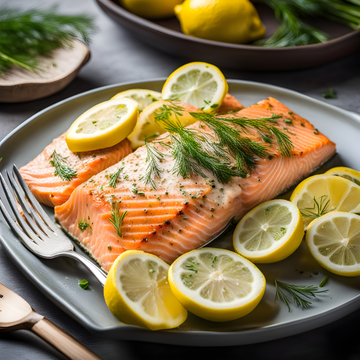
1. Sheet-Pan Lemon Salmon With Broccoli and Chickpeas
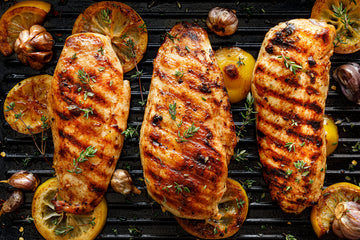
Place salmon fillets, broccoli florets, and drained chickpeas on a sheet pan. Toss the broccoli and chickpeas with olive oil, lemon juice, garlic, salt, pepper, and smoked paprika; season the salmon similarly. Roast at 400°F until the salmon flakes easily and the broccoli edges are browned, about 15 to 18 minutes.
Salmon provides protein and omega-3 fats, while chickpeas add fiber and a satisfying carbohydrate source. For a heartier meal, serve with a small scoop of quinoa or brown rice.
2. Turkey and Black Bean Skillet
Brown lean ground turkey with diced onion, bell pepper, garlic, cumin, chili powder, and oregano. Stir in black beans, no-salt-added diced tomatoes, and a handful of spinach, then simmer until warmed through. Finish with lime juice and serve with avocado, plain Greek yogurt, or a spoonful of salsa.
This is a useful recipe for nights when you want comfort food without relying on a refined-grain-heavy meal. Black beans bring fiber and plant protein, and the toppings add creaminess without needing a heavy sauce.
3. Ginger Chicken Lettuce Bowls With Brown Rice
Sauté ground chicken with grated ginger, garlic, shredded carrots, mushrooms, and chopped water chestnuts. Add a simple sauce of low-sodium tamari, rice vinegar, and a small amount of toasted sesame oil. Spoon into butter lettuce leaves or serve over shredded cabbage with brown rice on the side.
Brown rice can absolutely fit into a PCOS-supportive plate. The key is the full meal: chicken, vegetables, and sesame oil help make the carbohydrate portion more filling and slower-digesting than rice eaten alone.
4. One-Pan Chicken, Sweet Potato, and Kale
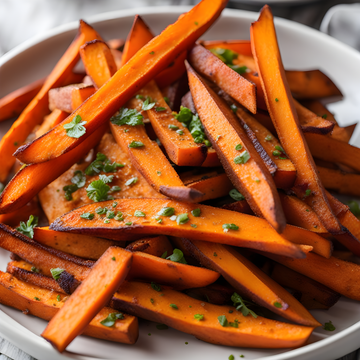
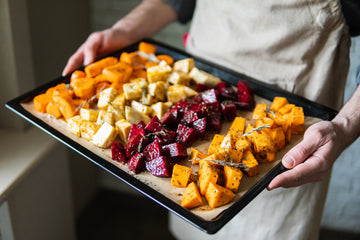
Dice sweet potatoes into small cubes and roast with olive oil, rosemary, garlic powder, salt, and pepper at 425°F. After about 15 minutes, add chicken sausage with minimal added sugar or sliced chicken breast. Stir in chopped kale during the final few minutes, allowing it to wilt in the pan.
Sweet potatoes offer fiber, potassium, and carotenoids, and they do not need to be avoided because they are starchy. Pairing them with protein and fat turns them into part of a balanced dinner rather than a blood-sugar concern in isolation.
5. Lentil Bolognese Over Zucchini and Whole-Grain Pasta
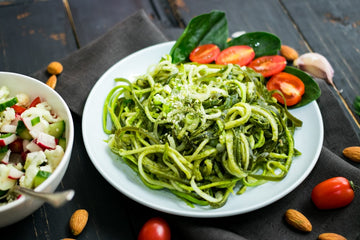
Cook onion, carrot, celery, and garlic in olive oil until softened. Add cooked brown or green lentils, crushed tomatoes, Italian seasoning, and a splash of broth, then simmer until thick. Serve over a combination of spiralized zucchini and whole-grain pasta, topped with Parmesan if desired.
Using half zucchini and half pasta is a flexible option, not a requirement. If a full bowl of pasta feels satisfying and works well for your body, build the plate around it with lentils, vegetables, and a protein-rich topping rather than removing it entirely.
6. Tofu Vegetable Stir-Fry With Edamame
Press extra-firm tofu and cube it, then pan-sear until golden. Add broccoli, snap peas, bell peppers, and edamame. Toss with a sauce made from tamari, ginger, garlic, lime, and a teaspoon of maple syrup or honey if you prefer a slightly sweet balance. Serve over cauliflower rice, brown rice, or a mix of both.
Tofu and edamame make this meal especially helpful for plant-forward eaters because they contribute substantial protein. Choose the grain option that helps you feel satisfied rather than deprived.
7. Mediterranean Stuffed Peppers
Halve bell peppers and roast cut-side up until beginning to soften. Fill them with a mixture of cooked quinoa, white beans, chopped spinach, cherry tomatoes, parsley, feta, olive oil, and lemon. Return to the oven until heated through.
Quinoa and beans create a fiber-rich base with complementary protein. If dairy is not right for you, skip the feta and add toasted pumpkin seeds or a tahini drizzle for richness.
8. Taco Salad With Seasoned Shrimp
Season shrimp with cumin, paprika, garlic powder, and lime, then sauté for just a few minutes. Build a bowl with romaine, shredded cabbage, black beans, corn, tomatoes, avocado, and shrimp. Add crushed tortilla chips for crunch, or serve with warmed corn tortillas.
This meal shows why “healthy” does not have to mean joyless. Corn, beans, and tortillas can work within a balanced dinner, particularly when the bowl also contains protein, fiber, and fats that help keep it satisfying.
9. Creamy White Bean and Chicken Soup
Sauté onion, celery, carrots, and garlic in olive oil. Add shredded cooked chicken, cannellini beans, low-sodium chicken broth, Italian herbs, and chopped kale. Mash some of the beans against the side of the pot to create a naturally creamy texture, then finish with lemon juice.
Soup is often underestimated as a balanced dinner. Here, chicken and beans provide protein, while the vegetables and beans add fiber. Serve with a slice of whole-grain bread if you need more energy at the end of the day.
10. Egg Roll Bowl With Cabbage and Sesame
Brown ground chicken, turkey, pork, or crumbled tempeh with garlic and ginger. Add a bag of shredded coleslaw mix, sliced mushrooms, and tamari, cooking until the cabbage is tender but still has texture. Top with sesame seeds, scallions, and a soft-boiled egg if you want extra protein.
This is one of the fastest dinners on the list because pre-shredded vegetables do most of the prep. Add brown rice, soba noodles, or edamame when you need a more substantial meal.
Make Balanced Dinners Easier to Repeat
The dinner that supports you is usually the one you can make consistently. Keep a few reliable proteins in the freezer, such as salmon, shrimp, chicken, or turkey. Stock canned beans, frozen vegetables, greens, brown rice, quinoa, and flavorful basics like garlic, lemon, salsa, and low-sodium broth. These ingredients make it easier to assemble a balanced meal when you are tired and less likely to want another complicated decision.
It can also help to identify what tends to happen after dinner. If you regularly crave sweets late at night, the answer may not be more willpower. You may need a larger dinner, more protein, a planned dessert with protein or fat, or more regular meals earlier in the day. Persistent cravings, fatigue, irregular cycles, or concerns about blood sugar deserve a conversation with a qualified clinician who understands PCOS.
Lifestyle support works best when it is realistic and compassionate. Physician-formulated support such as Provation Life’s Inositol Plus may be part of a broader plan for women seeking help with PCOS-related concerns, but meals, sleep, movement, stress support, and medical care all have a place at the table.
Start with one recipe that sounds genuinely good, make enough for tomorrow’s lunch, and let dinner become one less thing you have to fight with.