
If your cycle feels unpredictable, your energy crashes hard in the afternoon, or your skin, weight, and mood seem to shift without warning, your hormones may be asking for closer attention. Learning how to balance hormones for women naturally starts with a more useful question than what supplement should I take first. It starts with asking what in your daily life is supporting hormone health, and what may be working against it.
For many women, especially those dealing with PCOS, irregular periods, fertility concerns, acne, hair thinning, or stubborn weight changes, hormone imbalance is not a vague wellness trend. It is a real, disruptive experience that affects how you feel in your body every day. The good news is that natural hormone support does not have to mean guesswork. In many cases, meaningful progress comes from a structured plan that improves blood sugar regulation, lowers chronic stress load, supports ovulation, and gives the body consistent nutritional input.
What hormone balance really means
Hormone balance does not mean every hormone is perfectly equal or fixed at one ideal number. Hormones are meant to rise and fall in patterns. Estrogen, progesterone, insulin, cortisol, thyroid hormones, and androgens all interact, and a problem in one area can ripple into another.
That is why symptoms often overlap. Irregular cycles may show up alongside acne. Insulin resistance may coexist with weight gain and trouble ovulating. High stress can affect sleep, appetite, and cycle regularity at the same time. A natural approach works best when it respects that these systems are connected.
This also means there is no single habit that balances hormones overnight. What helps one woman may not help another in the same way. If you have PCOS, your plan may need to focus more heavily on insulin and ovulation support. If you are in your late 30s or 40s, sleep quality and stress physiology may play a bigger role. If your symptoms are severe, persistent, or suddenly changing, medical evaluation matters.
How to balance hormones for women naturally with food first
Food is one of the most powerful daily influences on hormone health because it affects insulin, cortisol, inflammation, and the raw materials your body uses to produce hormones. The goal is not perfection. The goal is steadier signals.
For many women, the most effective place to begin is blood sugar balance. Meals built around protein, fiber, and healthy fats tend to reduce the sharp glucose spikes and crashes that can worsen cravings, fatigue, and insulin-related hormonal issues. This is especially relevant for women with PCOS, since insulin dysregulation can contribute to irregular ovulation and higher androgen levels.
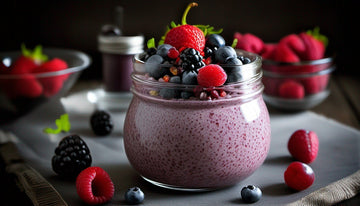
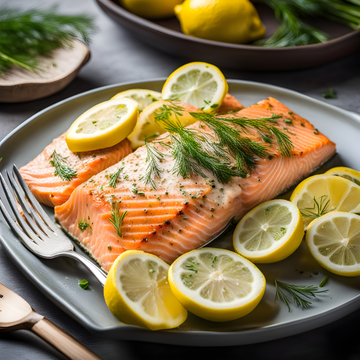
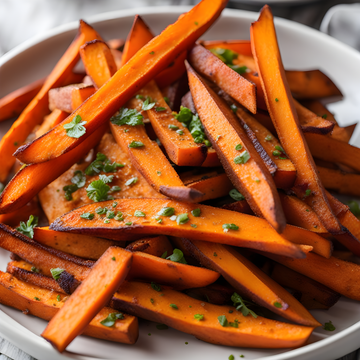
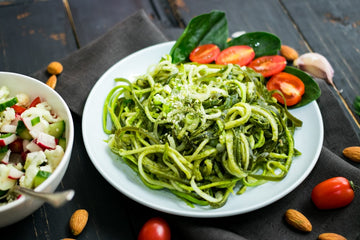
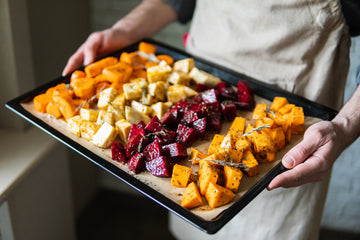
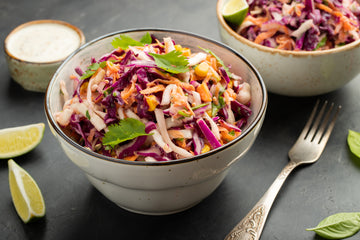
A practical plate often looks simple: eggs with vegetables and avocado at breakfast, a protein-forward lunch with greens and whole-food carbs, and a balanced dinner that includes lean protein, color-rich produce, and fiber. Skipping meals and relying on coffee to get through the morning may feel efficient, but for many women it backfires by increasing stress hormones and leading to overeating later.
It also helps to be realistic about extremes. Very low-calorie diets can disrupt reproductive hormones. Constant snacking on ultra-processed foods can worsen insulin swings. Most women do better with consistency than with restriction. If your cycle is irregular or you are trying to conceive, under-eating can be just as counterproductive as overeating.
Sleep is hormone support, not a luxury
If you are trying to improve hormone health while sleeping five or six interrupted hours a night, you are working against your biology. Sleep affects cortisol, insulin sensitivity, appetite regulation, thyroid function, and reproductive hormones.
Poor sleep often drives the exact symptoms women are trying to fix. You may feel hungrier, crave more sugar, struggle with exercise recovery, and notice more mood volatility. Over time, sleep deprivation can make it harder for the body to maintain healthy hormone rhythms.
Aim for a consistent sleep window, not just a certain number of hours on weekends. A dark room, reduced evening screen exposure, and a more stable bedtime can make a measurable difference. If you wake frequently, feel wired at night, or suspect sleep apnea, those issues deserve attention rather than being brushed off as normal stress.
Stress can disrupt more than your mood
Stress is not just emotional. It is physiological. When the body perceives ongoing pressure, cortisol patterns can become less stable, which may affect blood sugar, ovulation, digestion, thyroid signaling, and inflammatory pathways.
This does not mean stress causes every hormone problem, and it does not mean you can meditate your way out of a medical condition. But it does mean that chronic stress can amplify symptoms and make recovery harder. Women with demanding schedules, disrupted sleep, intense workouts, and constant mental load often need nervous system support as much as they need a better meal plan.
The most effective stress strategies are usually the least dramatic. A daily walk, sunlight in the morning, realistic exercise volume, breathing practices, and boundaries around work and social overload can all help lower the body’s stress burden. If you are already depleted, adding more intensity is not always the answer.
Exercise should support hormones, not punish your body
Movement is essential for metabolic and hormonal health, but the type and volume matter. Regular exercise improves insulin sensitivity, supports mood, and can help regulate cycles over time. Still, more is not always better.
For women dealing with hormone imbalance, a combination of strength training, walking, and moderate cardio is often more sustainable than daily high-intensity sessions. Intense exercise can be beneficial for some women, but if your body is already under stress, overtraining may worsen fatigue, appetite dysregulation, and cycle disruption.
Pay attention to recovery. If you feel exhausted after every workout, sleep worse, or notice your cycle becoming less predictable, your current routine may be too aggressive. Hormone-friendly exercise should leave you stronger, not more inflamed.
Targeted nutrients and natural support can help
Once the foundations are in place, targeted supplementation may offer meaningful support, especially for women with PCOS, insulin-related concerns, or ovulatory dysfunction. This is where quality matters. Randomly layering trendy supplements often creates confusion without a clear benefit.
Myo-inositol is one of the most studied natural ingredients in women’s hormone health, particularly for PCOS. It has been researched for its role in insulin signaling, ovarian function, menstrual regularity, and fertility support. For women struggling with irregular cycles or symptoms tied to insulin imbalance, it may be a useful part of a broader plan.
Other nutrients may also matter depending on the individual. Vitamin D, magnesium, omega-3s, and certain antioxidants can support overall hormonal and metabolic health, but the right combination depends on your symptoms, lab work, diet, and goals. That is one reason many women do better with a physician-formulated approach instead of building a routine one bottle at a time.
At Provation Life, that principle guides how natural hormone support is designed - not as a quick fix, but as part of a larger lifestyle-centered strategy.
When natural hormone support needs a medical lens
Natural support can be powerful, but it should not replace evaluation when symptoms suggest something more complex. If your periods are very irregular, absent, unusually heavy, or intensely painful, that deserves medical attention. The same is true for infertility, rapid hair loss, significant facial hair growth, nipple discharge, or symptoms of thyroid dysfunction.
Testing may be necessary to understand what is actually driving your symptoms. In some cases, women assume they have one issue when the underlying problem is different. PCOS, thyroid disorders, high prolactin, perimenopause, and hypothalamic amenorrhea can overlap in ways that are easy to misread without guidance.
Natural care works best when it is informed, not improvised. A good plan is supportive, but it is also specific.
How to make natural hormone balancing actually stick
One reason women feel discouraged is that they try to change everything at once. They cut out multiple foods, start intense workouts, buy six supplements, and expect their cycle to normalize in a month. Then life happens, symptoms flare, and it feels like failure.
A better approach is to build traction in layers. Start with consistent meals. Improve sleep timing. Add movement that feels sustainable. Then consider targeted nutritional support. Hormone health usually responds to repeated signals over time, not short bursts of effort.
It also helps to track the right things. Instead of focusing only on the scale, notice whether your cycle becomes more predictable, your cravings ease, your skin improves, your sleep deepens, or your energy becomes more stable through the month. Those are meaningful signs that your internal environment is shifting.
If you have been wondering how to balance hormones for women naturally, the answer is not hidden in one miracle habit. It is found in the daily patterns that help your body feel safe, nourished, and metabolically supported. Small changes, done consistently, can create the kind of progress that finally feels like relief.