
If your cycle feels unpredictable, ovulation can start to feel like a mystery instead of a monthly rhythm. For many women, especially those dealing with irregular periods, insulin resistance, or PMOS formally PCOS, learning how to support ovulation naturally is really about restoring the conditions your body needs to feel safe, nourished, and hormonally steady.
What ovulation needs from the body
Ovulation is not an isolated event. It depends on communication between the brain, ovaries, adrenal system, thyroid, and metabolism. When that communication is disrupted, the body may delay ovulation, ovulate inconsistently, or stop ovulating altogether.
This is why quick fixes rarely help for long. A healthy ovulatory cycle depends on enough energy intake, stable blood sugar, manageable inflammation, adequate sleep, and hormonal signaling that is not constantly being pushed off course by chronic stress. If one or more of those areas is off, the body often prioritizes survival over reproduction.
That does not mean you have done anything wrong. It means ovulation is sensitive. The good news is that sensitivity can work in your favor when you make consistent changes that support hormone balance over time.
How to support ovulation naturally through blood sugar balance
One of the most overlooked drivers of irregular ovulation is blood sugar imbalance. When insulin levels stay elevated, the ovaries can receive mixed signals. In women with PMOS formally PCOS, this pattern is especially common and can contribute to irregular cycles, higher androgen levels, acne, unwanted hair growth, and difficulty predicting fertile windows.
Balancing blood sugar does not require perfection or extreme dieting. It usually starts with eating regularly and building meals that include protein, fiber, and healthy fats. A breakfast built around protein is often more helpful for hormone balance than starting the day with coffee and something sugary. The same goes for skipping meals - it may seem harmless, but for some women it worsens cortisol swings and makes cravings, energy crashes, and cycle disruption more likely.
Carbohydrates are not the enemy here. In fact, very restrictive eating can backfire by increasing stress hormones and reducing the body’s sense of safety. What matters more is the quality and context of carbs. Pairing them with protein and fiber helps reduce sharp glucose spikes and supports steadier insulin signaling.
Nutrition that supports regular ovulation
Your ovaries need raw materials to make hormones well. That includes enough overall calories, enough protein, and adequate intake of micronutrients involved in egg development, hormone signaling, and metabolic health.
Protein is foundational because it supports blood sugar control and hormone production. Iron, zinc, magnesium, vitamin D, and B vitamins also play meaningful roles in reproductive health. Omega-3 fats may support inflammation balance, which matters because low-grade inflammation can interfere with normal ovarian function in some women.
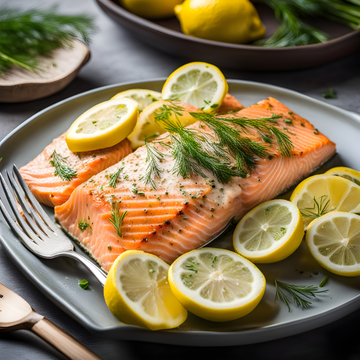
This is where consistency matters more than chasing superfoods. A nutrient-dense pattern of eating is usually more effective than adding one trendy ingredient and hoping it changes the whole cycle. Think in terms of repeatable meals: eggs with vegetables, Greek yogurt with seeds and berries, salmon with rice and roasted vegetables, chicken or lentils with greens and olive oil. Simple, steady nourishment often does more for ovulation than dramatic cleanses ever will.
If you have a history of undereating, overexercising, or yo-yo dieting, that piece deserves attention too. The body reads chronic energy shortage as a reason to delay reproduction. Supporting ovulation naturally sometimes means eating more regularly, not less.
Stress, cortisol, and ovulation timing
Many women are told stress affects hormones, but that advice can sound vague and unhelpful. Here is the more useful version: chronic stress can shift cortisol patterns, affect blood sugar regulation, alter brain-to-ovary signaling, and change when or whether ovulation happens.
That does not mean one hard week will shut down your cycle. It means a body under prolonged stress often has a harder time maintaining hormonal rhythm. Emotional stress, poor sleep, overtraining, inflammation, and underfueling can all register as stress biologically.
The goal is not to eliminate stress completely. It is to lower the total burden on the system. For some women, that means walking instead of pushing through another intense workout. For others, it means eating lunch consistently, reducing alcohol, setting a bedtime, or finally addressing the anxiety that has been running in the background for months.
If you are trying to improve ovulation, recovery is productive. Rest is not laziness. Hormones often respond best when the body is no longer fighting so hard to keep up.
Sleep is a fertility support tool
Sleep is one of the most underrated ways to support reproductive health. Poor sleep can affect insulin sensitivity, appetite regulation, cortisol, and the hormonal signals involved in ovulation. Even when diet looks good on paper, chronic sleep disruption can keep the body stuck in a stressed state.
Aim for a consistent sleep schedule as often as your life allows. That may sound basic, but it is biologically powerful. Going to bed and waking up at roughly the same times helps regulate circadian rhythms, which influences hormone release throughout the cycle.
If sleep is poor because of late-night screen time, blood sugar swings, anxiety, or caffeine habits, those are worth addressing directly. Supporting ovulation naturally is often about removing friction from the body’s regulatory systems, and sleep is one of the biggest pressure points.
Exercise can help or hinder, depending on the pattern
Movement supports insulin sensitivity, circulation, mood, and inflammation balance. All of that can be helpful for ovulation. But more is not always better.
If you are sedentary, adding regular movement can improve metabolic and hormonal health. Walking after meals, resistance training a few times per week, and moderate cardio can all be useful. If you already exercise intensely and your cycle is irregular, the issue may be that your body is under too much strain relative to how much you are eating and recovering.
This is where nuance matters. A woman with insulin resistance may benefit from more structured exercise. A woman with hypothalamic suppression from stress and underfueling may need less intensity and more nourishment. The same symptom - irregular ovulation - can come from very different root causes.
Supplements and natural support for ovulation
Supplements can be helpful, but they work best when they fit the underlying pattern. For women with insulin resistance or PMOS formally PCOS, inositol is one of the best-studied natural ingredients for supporting ovarian function, cycle regularity, and insulin balance. It is not a magic pill, but it can be a meaningful part of a broader plan.
Other nutrients may also support ovulatory health depending on individual needs, including vitamin D, magnesium, omega-3s, and key micronutrients involved in metabolic and reproductive function. The most important point is that supplementation should be purposeful, not random. Taking five products without a clear strategy often creates more confusion than progress.
That is one reason many women look for physician-formulated support rather than assembling a routine piece by piece. At Provation Life, that approach is built around giving women more structured, science-based support instead of asking them to guess.
When irregular ovulation needs a deeper evaluation
Natural support can be very effective, but it is not a substitute for finding out why ovulation is irregular in the first place. If your cycles are consistently absent, very far apart, unusually heavy, or accompanied by symptoms like acne, hair thinning, excess hair growth, weight changes, or trouble conceiving, it is worth getting a proper evaluation.
PMOS formally PCOS is one possible reason, but it is not the only one. Thyroid dysfunction, elevated prolactin, hypothalamic amenorrhea, perimenopause, and other metabolic or endocrine issues can also affect ovulation. Treatment depends on the cause, and the most effective natural plan is the one matched to your physiology.
Cycle tracking can help here. If you monitor cervical mucus, basal body temperature, or ovulation predictor patterns, you may start to see whether ovulation is delayed, inconsistent, or absent. That information can be useful, but do not let tracking become another source of pressure. Data should support you, not stress you out.
The most effective natural approach is usually the least extreme
When women are desperate for answers, they are often handed complicated protocols, restrictive food rules, and advice that makes their bodies feel like a problem to fix. Real hormone support is usually more grounded than that.
If you want to know how to support ovulation naturally, start by asking whether your body has what it needs to ovulate reliably. Is blood sugar relatively stable? Are you eating enough? Are you sleeping well enough to regulate stress hormones? Is exercise helping your metabolism or draining your reserves? Are you addressing symptoms that suggest a deeper hormonal issue instead of pushing through them?
Ovulation tends to improve when the body experiences consistency, not punishment. Small changes repeated daily often do more than intense efforts that last a week.
You do not need to force your body into balance. You need to support the systems that create balance in the first place. That is a steadier path, and for many women, it is the one that finally starts to work.