
If you feel like your body is working against you, you are not imagining it. A good pcos weight management guide has to start with one truth: weight changes with PCOS are not just about willpower. They are often shaped by insulin resistance, higher androgen levels, disrupted appetite signals, stress, poor sleep, and cycles that make consistency harder than it looks on paper.
That is why the usual advice to simply eat less and move more can feel frustrating, and sometimes even defeating. PCOS weight management works best when you address the metabolic and hormonal drivers behind the symptoms, not just the number on the scale. The goal is not perfection. The goal is to create a body environment that is more responsive, more stable, and easier to support over time.
What makes PCOS weight management different?
For many women with PCOS, insulin is a central part of the picture. When the body becomes less sensitive to insulin, it often produces more of it to keep blood sugar in range. Higher insulin levels can increase fat storage, make hunger harder to regulate, and stimulate the ovaries to produce more androgens. That can feed into irregular cycles, acne, hair thinning, and excess hair growth, while also making weight loss feel unusually slow.
This does not mean every woman with PCOS has the same metabolic profile. Some are more insulin resistant than others. Some struggle more with inflammation, stress, sleep disruption, or fertility-related hormone shifts. That is why a thoughtful pcos weight management guide should never promise a one-size-fits-all fix. It should give you a framework you can adapt.
Start with insulin balance, not restriction
Extreme dieting may create short-term changes, but it often backfires in PCOS. When meals are too small, too irregular, or too low in protein, cravings can intensify and energy can drop. For women already dealing with blood sugar swings, that pattern can make consistency even harder.
A more effective approach is to build meals that support insulin balance. In practical terms, that usually means including protein, fiber, and healthy fats at most meals, while being intentional about carbohydrate quality and portion size. Carbohydrates are not the enemy, but they tend to work better when paired with foods that slow digestion and improve satiety.
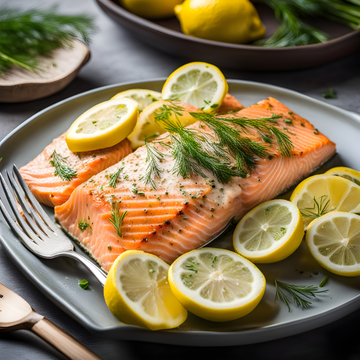
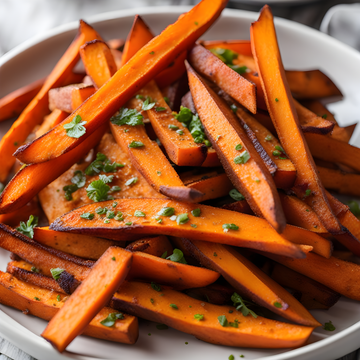
For example, a breakfast built around eggs and vegetables, Greek yogurt with seeds and berries, or oatmeal paired with protein is often more supportive than a pastry or sweet coffee alone. At lunch and dinner, meals centered on lean protein, non-starchy vegetables, high-fiber carbohydrates, and nourishing fats can help reduce the dramatic highs and lows that drive hunger later in the day.
The best diet for PCOS is the one you can sustain
There is no single perfect PCOS diet. Some women do well with a Mediterranean-style pattern. Others feel better reducing highly processed foods, added sugars, and refined starches without cutting out entire food groups. Some need a more structured carbohydrate approach, especially if insulin resistance is significant.
The trade-off is important here. Plans that are too rigid may create quick early progress, but they can be hard to maintain and can increase stress around food. Plans that are too loose may not move the needle enough if blood sugar regulation is a major issue. A balanced middle ground often works best: reduce ultra-processed foods, prioritize whole-food meals, and create a structure that feels realistic for your daily life.
If your symptoms include intense cravings, post-meal fatigue, or rapid energy crashes, your body may benefit from a more consistent meal rhythm. Eating every few hours is not mandatory for everyone, but long stretches without food can trigger overeating later in the day for some women with PCOS.
Exercise should improve metabolism, not punish your body
Many women with PCOS assume they need more cardio and fewer calories. In reality, that combination can leave you tired, hungry, and discouraged. Exercise is most helpful when it improves insulin sensitivity, supports lean muscle, and lowers stress rather than pushing your system harder than it can recover.
Strength training is especially valuable in PCOS because muscle tissue helps the body use glucose more effectively. That can make weight management feel less like a constant uphill climb. You do not need to train like an athlete to benefit. Two to four sessions per week of resistance work can be meaningful.
Walking also deserves more credit than it gets. Regular walking after meals or throughout the day can support blood sugar control, digestion, and energy without the recovery demands of intense workouts. Higher-intensity exercise can still have a place, but it depends on your current stress load, sleep quality, and how your body responds. If hard training leaves you wired, exhausted, or ravenous, scaling back may actually help.
Sleep and stress are not side issues
If your sleep is poor, your hunger hormones, insulin sensitivity, and recovery all tend to suffer. When stress stays high, cortisol can influence appetite, cravings, and abdominal fat storage. This is one reason some women feel like they are doing everything right and still not seeing progress.
That does not mean you need a perfect nighttime routine or a stress-free life. It means these factors deserve real attention inside any serious pcos weight management guide. A consistent sleep schedule, less screen exposure before bed, morning light exposure, and realistic stress regulation practices can make a measurable difference over time.
Even ten minutes of breathwork, stretching, journaling, or a quiet walk can be useful if done consistently. The goal is not to eliminate stress. The goal is to lower the load your body is carrying so your metabolic systems are not constantly trying to compensate.
Supplements can help, but they should fit the biology
Supportive supplementation can make sense in PCOS, especially when the focus is insulin balance, ovarian function, and hormone-related symptoms. Inositol is one of the most studied options in this space because it may support insulin signaling, cycle regularity, and ovulatory function in many women with PCOS.
That said, supplements are not a replacement for nutrition, movement, sleep, and medical care. They work best as part of a broader plan. Quality also matters. Women with PCOS are often sold a long list of disconnected products that create cost and confusion without a clear strategy behind them.
This is where physician-formulated, condition-specific support can be helpful. Brands such as Provation Life focus on simplifying that process with formulas designed around the metabolic and hormonal patterns seen in PCOS. For women who want a more structured, natural approach, that kind of targeted support may be easier to maintain than assembling a supplement routine piece by piece.
Track the right signs of progress
The scale can be useful, but it should not be your only marker. PCOS progress is often broader than body weight alone. You may notice less bloating, better appetite control, more stable energy, improved cycle regularity, fewer cravings, better sleep, or changes in waist measurements before large shifts show up on the scale.
This matters because PCOS weight loss is often slower and less linear than standard diet culture promises. If you only measure success by weekly pounds lost, you may miss meaningful improvements that show your body is becoming more metabolically responsive.
When possible, pay attention to patterns over at least 8 to 12 weeks, not just a few days. Hormonal systems rarely change on command. They respond to repeated signals over time.
When weight loss stalls
A plateau does not always mean failure. Sometimes it means your body has adapted to your current routine. Sometimes it means stress is high, sleep is poor, or calorie intake has quietly become too low and harder to sustain. In other cases, insulin resistance may be more significant and deserve closer medical evaluation.
If progress has stalled, review the foundations first. Are you eating enough protein? Are your meals balanced? Are you moving regularly, including strength work? Are you sleeping well enough to recover? Are you underestimating how much stress your body is carrying?
It can also be worth discussing labs with a qualified healthcare professional, especially if you have fatigue, cycle disruption, or symptoms that suggest thyroid issues, elevated glucose, or other overlapping concerns. PCOS rarely exists in a vacuum.
A realistic mindset for long-term results
The most effective PCOS plan is rarely the most aggressive one. It is the one that lowers inflammation, supports insulin balance, stabilizes appetite, and feels realistic enough to continue when life gets busy. That may not be flashy, but it is how lasting change usually happens.
If you have spent years blaming yourself, this is your reminder that your body may need a more strategic kind of support, not harsher rules. Start with the basics, be consistent before being extreme, and give your body enough time to respond. With the right plan, progress is possible, and it does not have to come at the cost of your peace.