
If you have been told your labs are "borderline," your cycles are irregular, or your weight seems to change no matter how carefully you eat, insulin may be part of the picture. Learning how to improve insulin sensitivity can be a turning point, especially for women dealing with PMOS or PCOS-related symptoms, fertility concerns, or stubborn metabolic changes that do not respond to generic advice.
Insulin sensitivity describes how effectively your cells respond to insulin, the hormone that helps move glucose out of the bloodstream and into tissues for energy. When your body becomes less sensitive to insulin, it has to produce more of it to get the same job done. Over time, that higher insulin output can affect far more than blood sugar. In women, it can influence ovulation, androgen levels, appetite, energy, and weight regulation.
That is why this conversation matters. Poor insulin sensitivity is not just a metabolic issue. It is often woven into the hormonal symptoms many women live with every day.
Why insulin sensitivity matters for women
In women with PMOS or PCOS, insulin resistance is common, but it does not always look dramatic on the surface. Some women notice rapid weight gain or difficulty losing weight. Others struggle more with cravings, fatigue after meals, acne, scalp hair thinning, excess facial hair, or irregular periods. Some are trying to conceive and only later learn that insulin is playing a role in disrupted ovulation.
Higher insulin levels can stimulate the ovaries to produce more androgens. That can worsen cycle irregularity and symptoms such as acne and unwanted hair growth. It can also make weight management feel unusually hard, not because of a lack of effort, but because the biology underneath the surface is pushing in the other direction.
This is where a lot of advice falls short. Women are often told to simply eat less and exercise more. But how to improve insulin sensitivity is usually less about extremes and more about consistency, meal composition, muscle activity, recovery, and hormonal context.
How to improve insulin sensitivity without chasing extremes
The most effective approach is usually not a crash diet, a punishing workout plan, or a short-term cleanse. Insulin sensitivity tends to improve when the body receives repeated signals of safety and stability - steady nourishment, regular movement, restorative sleep, and lower inflammatory burden.
That may sound simple, but simple is not the same as easy. If you are already exhausted, dealing with irregular cycles, or trying to manage multiple symptoms at once, the goal is not perfection. The goal is to reduce the metabolic strain that keeps insulin elevated.
Build meals that slow the glucose rise
One of the fastest ways to support insulin sensitivity is to change how your meals are built. Meals centered around refined carbohydrates on their own tend to raise blood sugar quickly, which can demand a larger insulin response. Pairing carbohydrates with protein, fiber, and healthy fats usually creates a steadier curve.
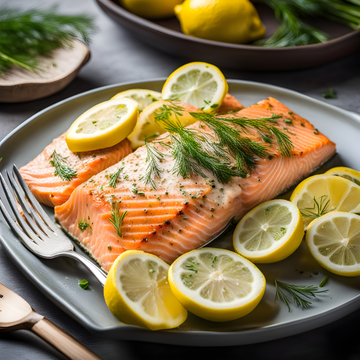
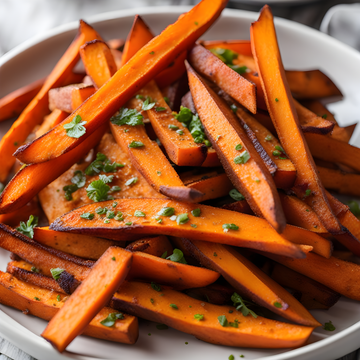
This does not mean carbohydrates are bad. It means context matters. Fruit with Greek yogurt is different from fruit juice alone. Rice with salmon and vegetables is different from a large bowl of plain white rice. Oatmeal with chia seeds and eggs will usually land differently than a pastry and coffee.
For many women, a helpful starting point is to prioritize protein at breakfast and avoid beginning the day with a high-sugar meal. That one shift can reduce mid-morning crashes, cravings, and the cycle of snacking that follows unstable blood sugar.
Use movement where it counts most
Exercise improves insulin sensitivity because active muscle tissue pulls in glucose more efficiently. But not all movement has to be intense to be effective.
Strength training is especially valuable because muscle acts as a major site for glucose disposal. Building or preserving lean mass can improve metabolic flexibility over time. Walking after meals can also help more than people realize. Even 10 to 15 minutes after eating may reduce the blood sugar rise from that meal.
If you are dealing with chronic stress, fatigue, or hormone-related burnout, more exercise is not always better. High-intensity training can be useful for some women, but for others it becomes another stressor. A balanced routine often works better - resistance training several times a week, regular walking, and cardiovascular work that feels challenging but sustainable.
Sleep is a metabolic lever, not a luxury
A few nights of poor sleep can reduce insulin sensitivity, increase hunger signals, and make cravings harder to manage. Women often overlook sleep because it feels less actionable than food or exercise, but metabolically it is a major player.
If your sleep is disrupted, start with the basics: a consistent bedtime, morning light exposure, less screen stimulation late at night, and stable meal timing. If you wake frequently, snore, or feel unrefreshed despite enough hours in bed, that deserves closer attention. Sleep disorders, stress, and blood sugar swings can all interfere with restorative rest.
Reduce the constant stress load
Stress hormones can raise blood sugar and make the body more insulin resistant in the short term. When stress becomes chronic, that pattern can stick.
This does not mean insulin resistance is caused by stress alone. It means stress can amplify an existing tendency. For women with PMOS or PCOS, the combination of inflammation, disrupted sleep, emotional strain, and hormonal imbalance often creates a feedback loop.
Practical stress support matters here. That might mean gentler training, better boundaries around work, breathing practices, therapy, prayer, journaling, or simply eating regular meals instead of running on caffeine until midafternoon. The best plan is the one you can sustain when life is busy, not just when life is calm.
Supplements and targeted support
Lifestyle foundations come first, but targeted nutritional support can help, especially when insulin-related symptoms are tied to ovulatory dysfunction or PMOS and PCOS patterns. Inositol is one of the most studied options in this area, particularly myo-inositol. It has been researched for its role in insulin signaling, ovarian function, menstrual regularity, and fertility support.
That does not mean every woman needs the same supplement plan. It depends on symptoms, goals, lab patterns, and whether you are trying to conceive. Some women need a stronger focus on meal structure and sleep before they notice much change from supplements. Others benefit from a combined approach from the start.
A physician-formulated product such as Provation Life's Inositol Plus may fit naturally into that broader strategy for women looking for structured, hormone-aware support rather than a scattered supplement routine. The key is to think of supplementation as support for the system, not a substitute for the daily signals your body depends on.
What to expect when improving insulin sensitivity
This process is often gradual. Some women notice less fatigue after meals within a few weeks. Others first see reduced cravings, more stable energy, or less bloating. Cycle improvements, skin changes, or shifts in weight and body composition may take longer.
It is also common for progress to be uneven. Stressful months, travel, poor sleep, and cycle fluctuations can all affect insulin response. That does not mean your efforts are failing. It usually means your metabolism is responsive to context.
If you have significant symptoms, a history of gestational diabetes, a strong family history of type 2 diabetes, or concerns about fertility, it is wise to work with a qualified clinician. Fasting insulin, glucose, A1C, lipid patterns, and reproductive hormones can help clarify what is driving symptoms and where to focus first.
A smarter way to think about how to improve insulin sensitivity
The most helpful question is not, "What is the fastest fix?" It is, "What helps my body need less insulin, more consistently?" That shift changes everything.
It brings the focus back to steadier meals, better muscle support, sleep that actually restores you, and hormone-informed care that respects how interconnected your symptoms really are. It also leaves room for nuance. A woman trying to conceive may need a different plan than a woman focused mainly on energy and weight stability. A woman with regular periods but elevated fasting insulin may not need the same interventions as someone with acne, anovulation, and significant cycle disruption.
You do not need to do everything at once. Start where the resistance is lowest and the payoff is highest. For one woman, that is a protein-rich breakfast. For another, it is two strength sessions a week. For someone else, it is finally addressing sleep and stress instead of blaming herself for symptoms that have deeper roots.
Your body is not working against you without reason. When you support insulin sensitivity with consistency and the right clinical guidance, you give your metabolism and hormones a better environment to function the way they were meant to.